Toronto Plumbing Permits Handled. Compliance Questions Answered.
We advise on what requires a permit, apply through Toronto Building, coordinate the inspection, and deliver the documentation. One consultation tells you exactly where you stand — whether you're planning new work or resolving what's already been done.
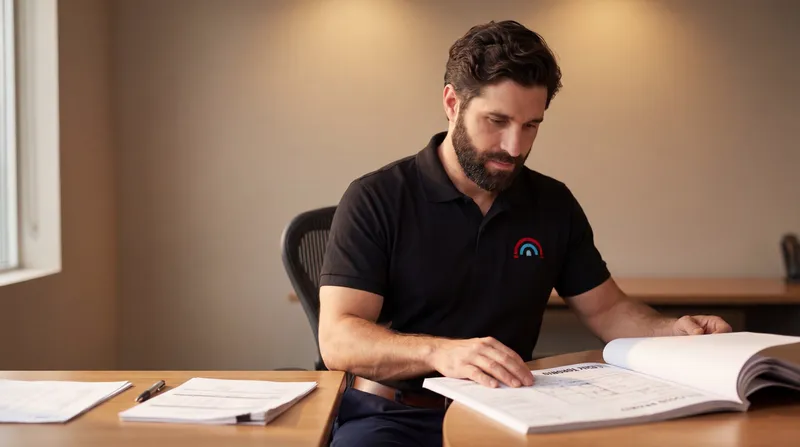
Planning a Renovation? Inherited Unpermitted Work? Received a City Notice? This Is Where You Start.
Whether you're planning ahead or resolving a problem that already exists, the path forward is the same: know exactly where you stand, then fix it.
Is This Your Situation?

Homeowners renovating need to know what requires a permit before work begins — a failed inspection costs far more than a consultation. Buyers suspecting unpermitted work: a compliance audit now is simpler than forced disclosure at closing. Landlords with an open City notice are on a fixed timeline — notices escalate. We assess the situation, advise on what the City requires, and coordinate remediation.
Pre-Work Consultation. Permit Applications. Compliance Audits. We Handle All Three.
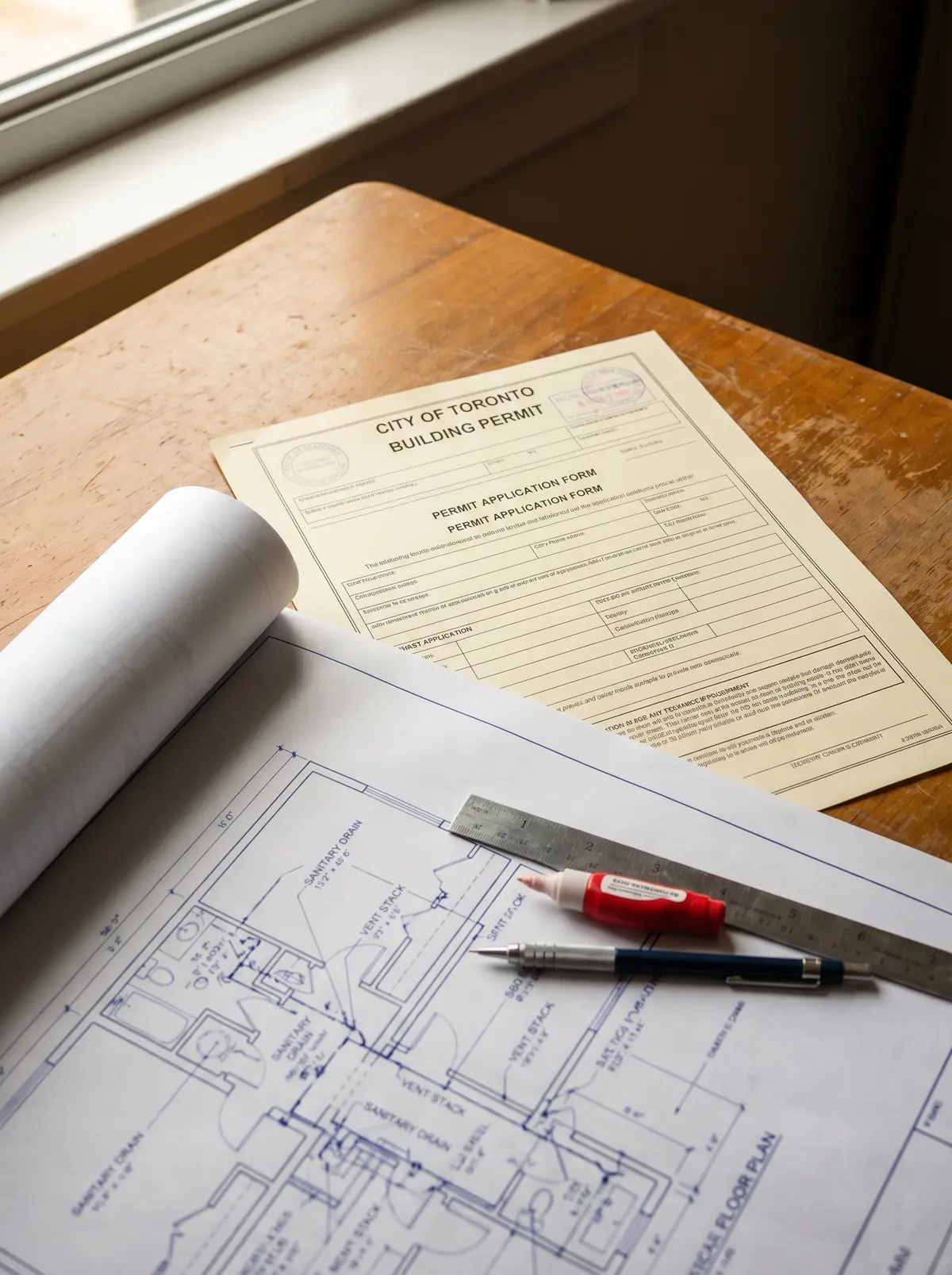
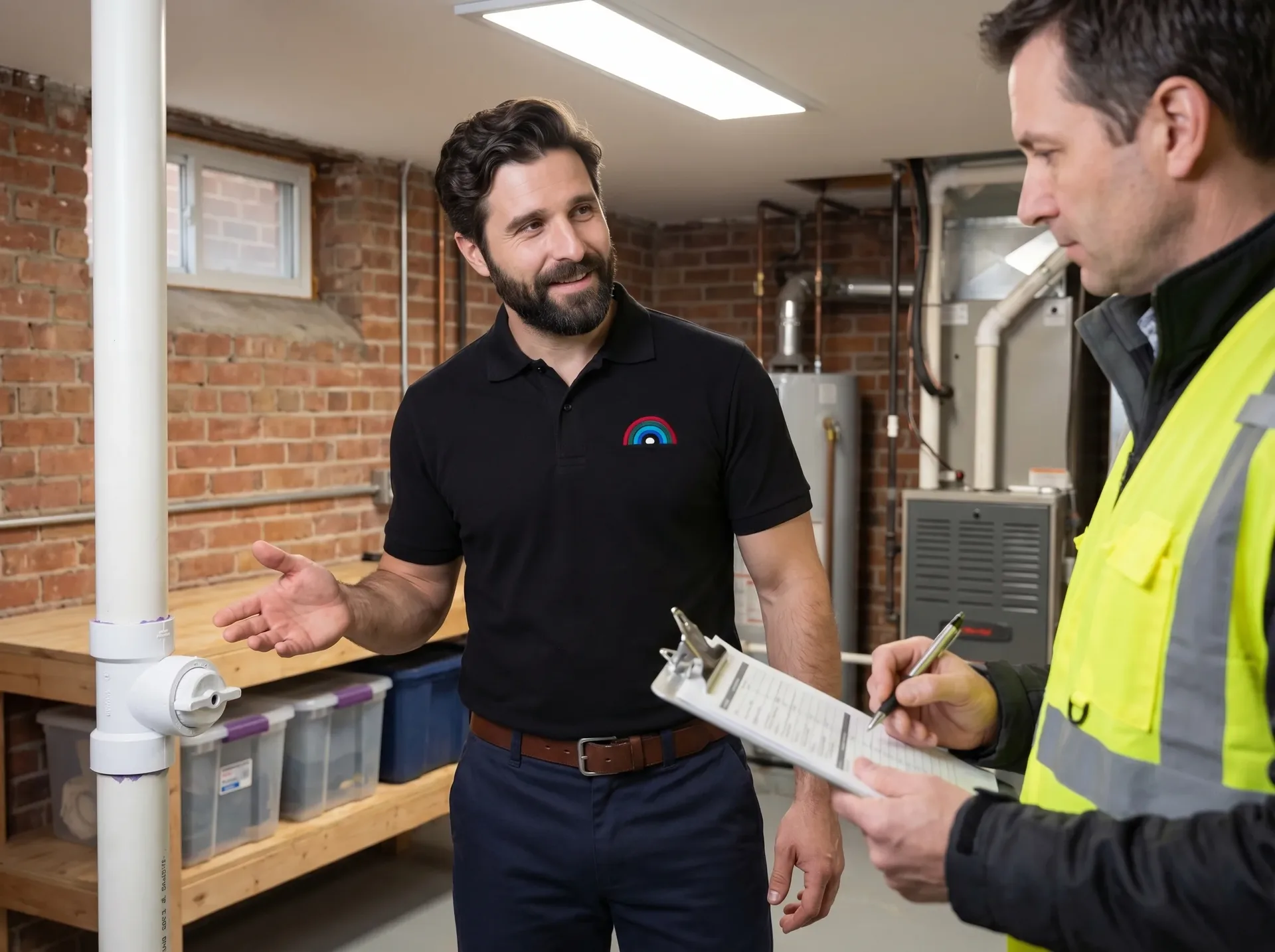
A Permit in Hand. Compliance Documentation. No Ambiguity About Where You Stand.
When we’re done, you either have a building permit and passed inspection for new work, or a documented compliance status for existing work — with a clear remediation path if gaps are found.
- Building permit applied, tracked, and in hand
- City inspection scheduled and passed
- Full permit documentation delivered to you
For New Work
- Compliance audit: what was permitted, what wasn't
- Written documentation of current state
- Clear remediation path if gaps are found
For Existing Work
Unpermitted Plumbing Work Has Consequences. All of Them Are Avoidable.
The Risk Landscape
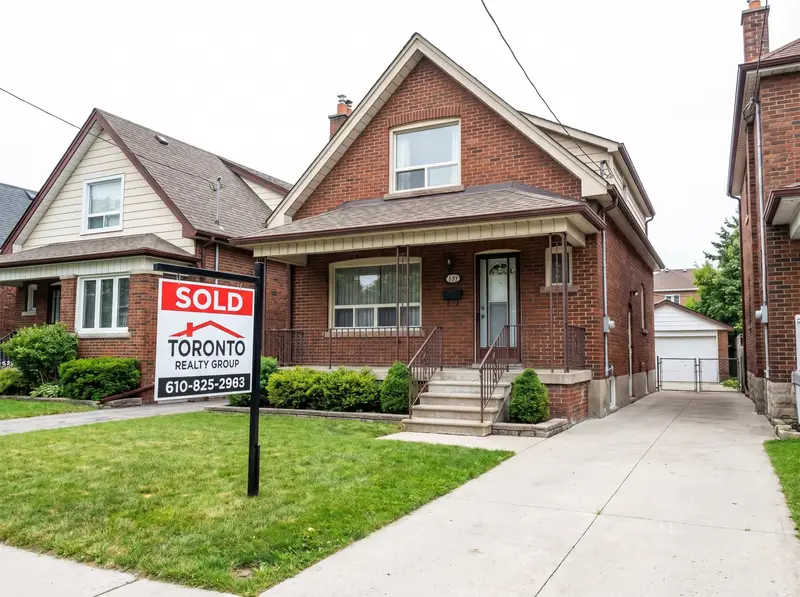
The consequences of unpermitted work surface at the three moments when your property is most exposed: when you sell, when you claim on insurance, and when the City issues a notice.
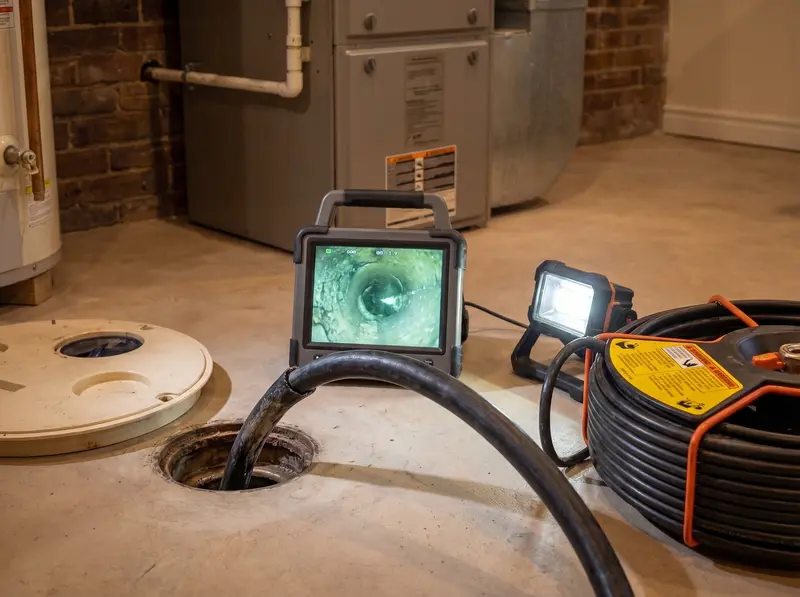
One Consultation. We Identify What's Required. You Walk Away With Documentation.
How It Works
The process is simpler than most homeowners expect — the barrier to compliance is knowledge, not cost. We've walked this path with the City many times.
Consult: Know What's Required
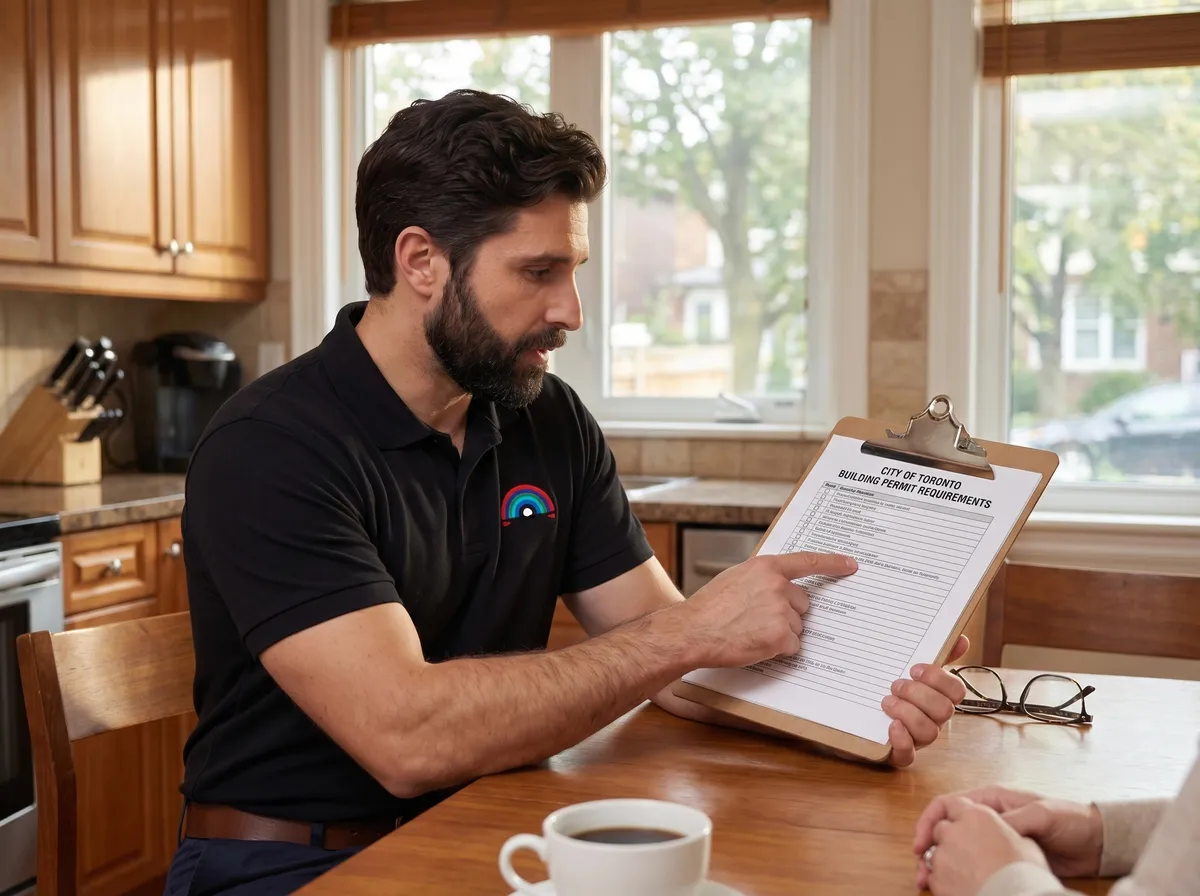
Apply, Track, Pass Inspection
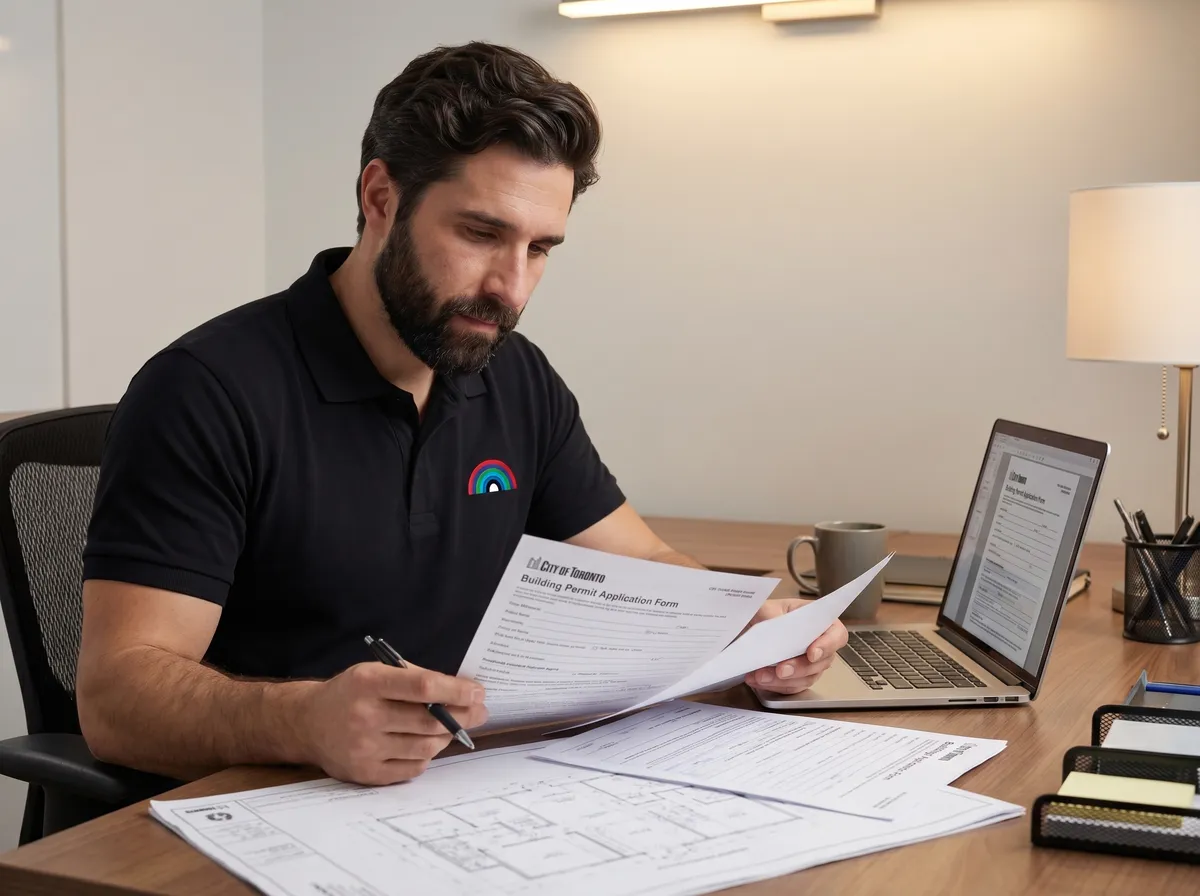
We Deliver Your Documentation

Common Questions About Permits & Compliance
Honest answers about this service and what the process actually involves.
Contact UsWhat plumbing work actually requires a permit in Toronto?
In Toronto, a building permit is required for any new drain or sewer connection, backwater valve installation, sump pump pit excavation, and most interior drain alterations that involve cutting into a concrete floor or changing the drainage configuration. Replacing fixtures like toilets or faucets in the same location generally does not require a permit. Drain cleaning and camera inspection do not require permits. The grey zone is drain rerouting or repair work that alters the existing configuration — the permit requirement depends on the scope. The fastest way to know for certain: call us and describe what’s being planned. We’ll tell you directly.
What happens if I sell my house and there’s unpermitted plumbing work?
In Ontario, sellers are required to disclose known material defects, which includes unpermitted work. If unpermitted plumbing or drain modifications are discovered during a buyer’s inspection, you face three scenarios: forced disclosure, buyer renegotiation of price, or in serious cases, a failed closing. The risk is highest when the unpermitted work is visible — cut floors, new drain lines, or installed equipment like backwater valves without a City-registered permit. A pre-sale compliance audit from Rainbow Drains identifies what’s documented and what isn’t, so you can resolve issues before listing rather than during negotiation.
Can I get a permit for work that was already done without one?
In many cases, yes — though the process depends on the type of work and whether it meets current code. Toronto Building allows retroactive permit applications for some categories of work. The typical path involves an application, a City inspection of the existing work, and, if the work doesn’t meet code, a remediation plan. Rainbow Drains assesses what was done, advises whether a retroactive permit is possible, and coordinates the application if it is. Where retroactive permitting isn’t available, we advise on the appropriate disclosure and documentation approach.
I received a compliance notice from the City. What should I do first?
Read the notice carefully to identify the response deadline, the specific bylaw cited, and whether a fine has already been issued or is pending. Do not ignore it — compliance notices escalate to orders and fines on a fixed timeline. Call us with the notice in hand. We’ll review it, advise on what the City requires to resolve it, and coordinate the remediation work and documentation needed to close it out. We’ve responded to City notices many times and understand what inspectors need to see to clear an open file.
How long does a permit take in Toronto?
Permit processing times vary by application type and current Toronto Building volume. Simple residential plumbing permits typically process in 2–4 weeks. More complex applications involving structural or grading elements can take 6–10 weeks. We apply through Toronto’s Online Building Permit system, track the application status, and flag any requests for additional information before they cause delays. Once the permit is issued, we schedule the City inspection — typically within 1–2 weeks of the work being ready. We keep you informed at every milestone.
Not Sure Where You Stand? Call Us. We'll Tell You in One Conversation.
Questions first? Tell us what's going on with your property and we'll tell you exactly what it requires — and whether we're the right fit.
- Licensed & Insured Professionals
- 24/7 Emergency Response Available
- Clear Pricing — No Hidden Fees
- Free Assessment — No Obligation
- 15+ Years Experience in the GTA
Or call us directly at (416) 807-6713