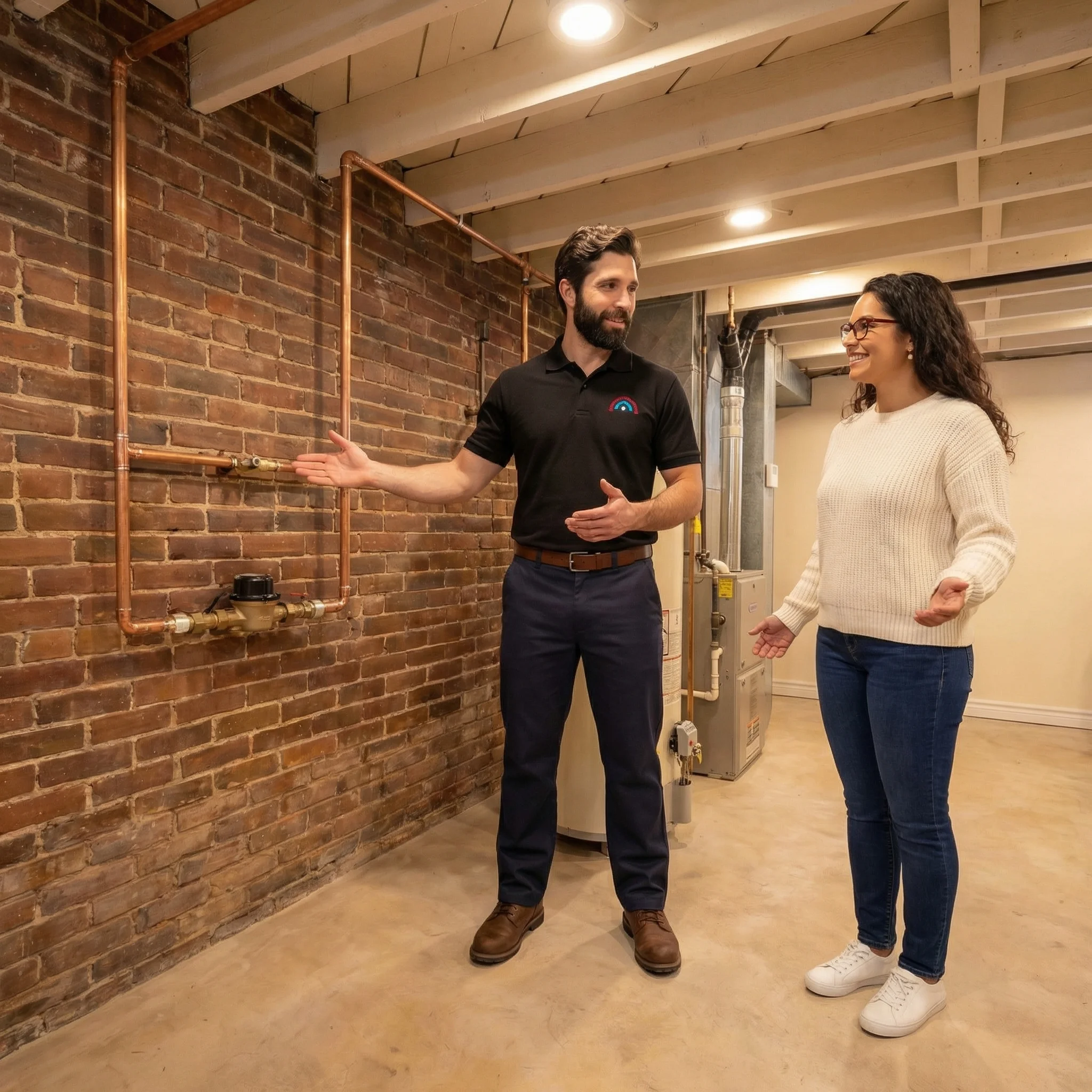
What Your Water Service Line Is and When It Needs Replacing
If your home was built before the 1970s, the pipe bringing water from the city main to your house may be original — and aging galvanized steel or lead lines degrade in ways that matter: restricted flow, discolored water, and in older homes, a genuine health concern.
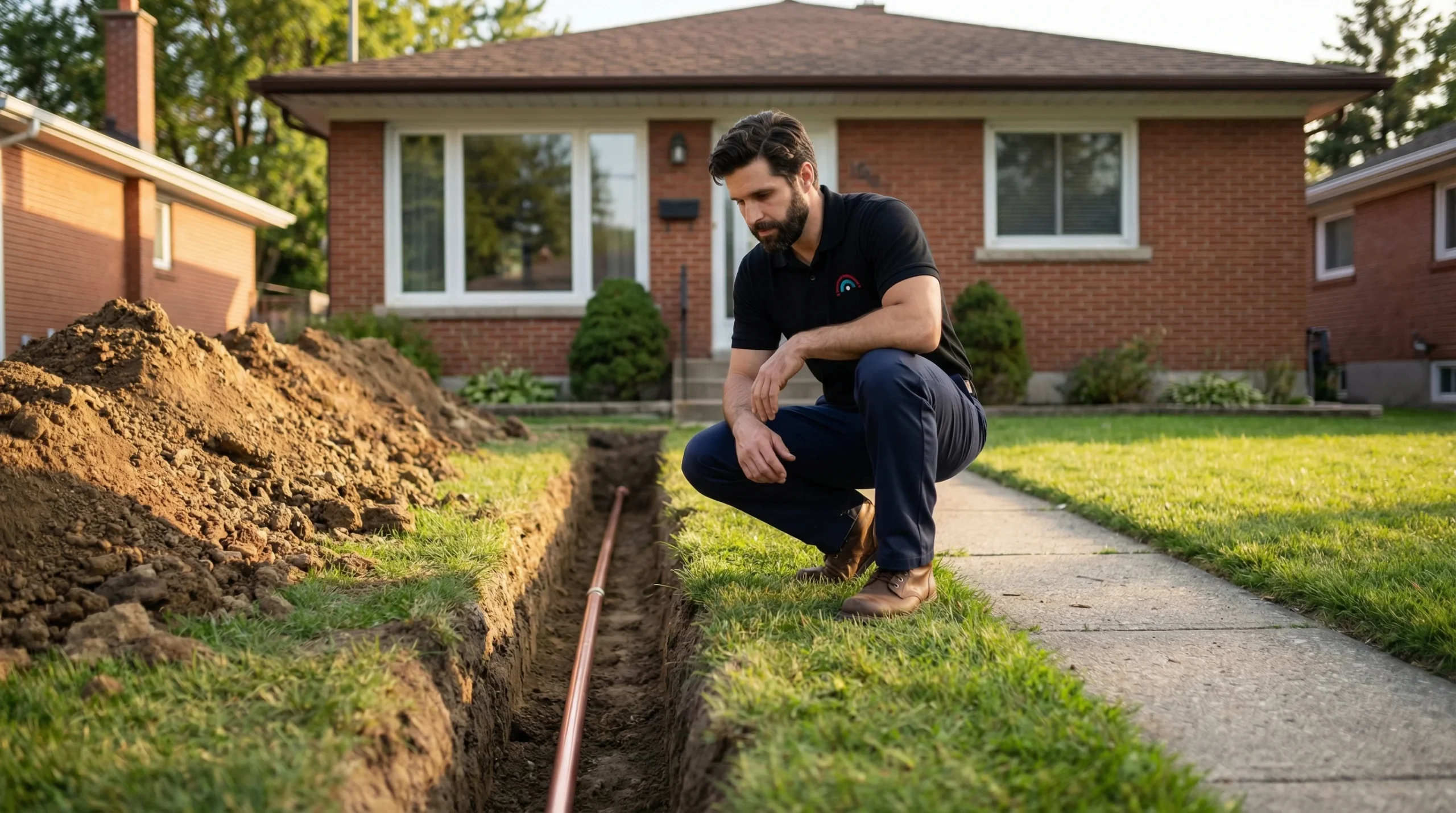
What a Water Service Line Is — and the Signs It's Failing
What's Happening
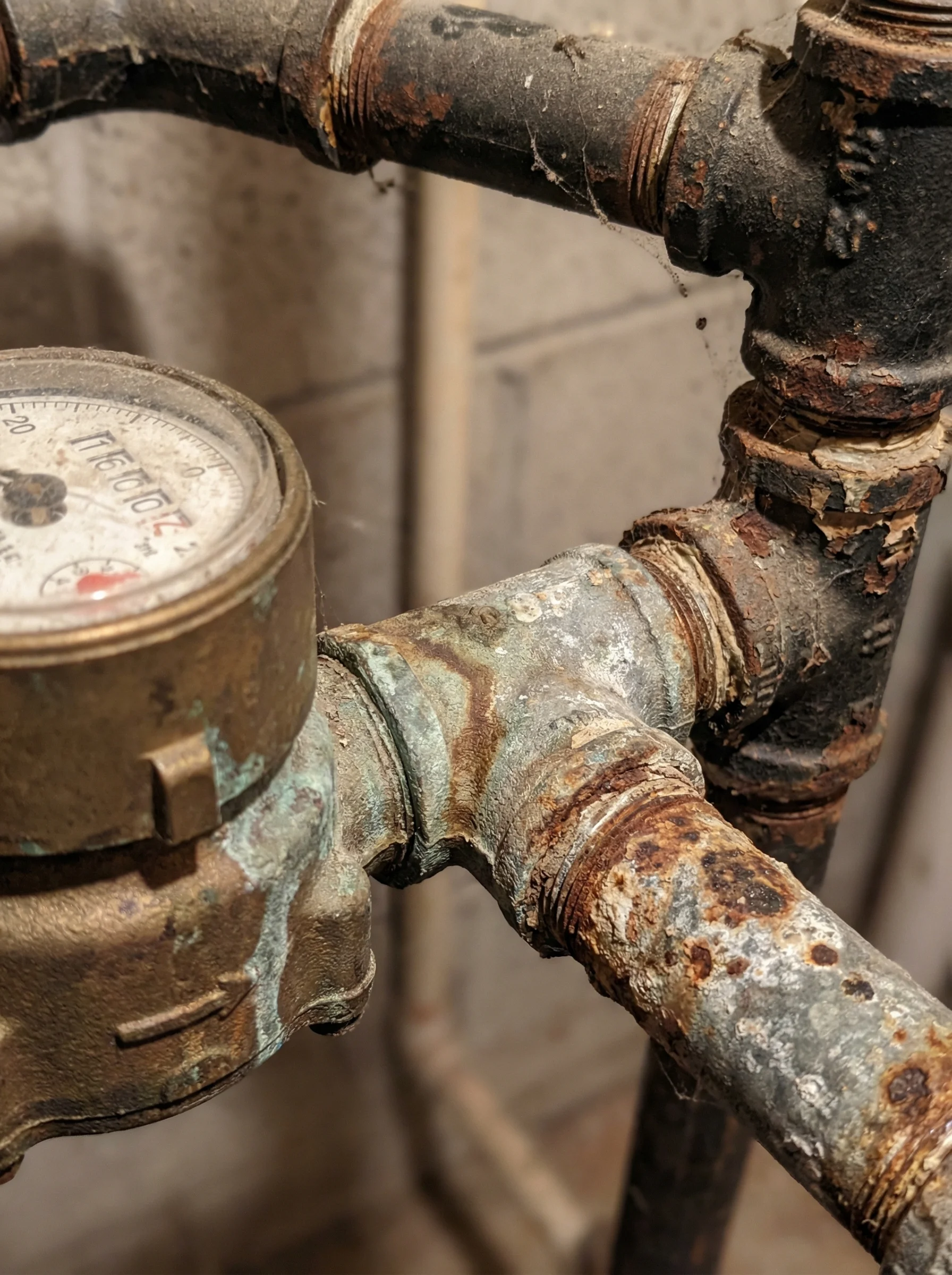
Galvanized steel corrodes from the inside out. Rust and mineral deposits narrow the flow and discolor the water — low pressure and reddish water when you first open a tap are common signs. Lead lines present a more serious concern: Health Canada recognizes no safe threshold for lead in drinking water, and aging lead service lines are a direct health risk.
How Water Service Line Replacement Actually Works
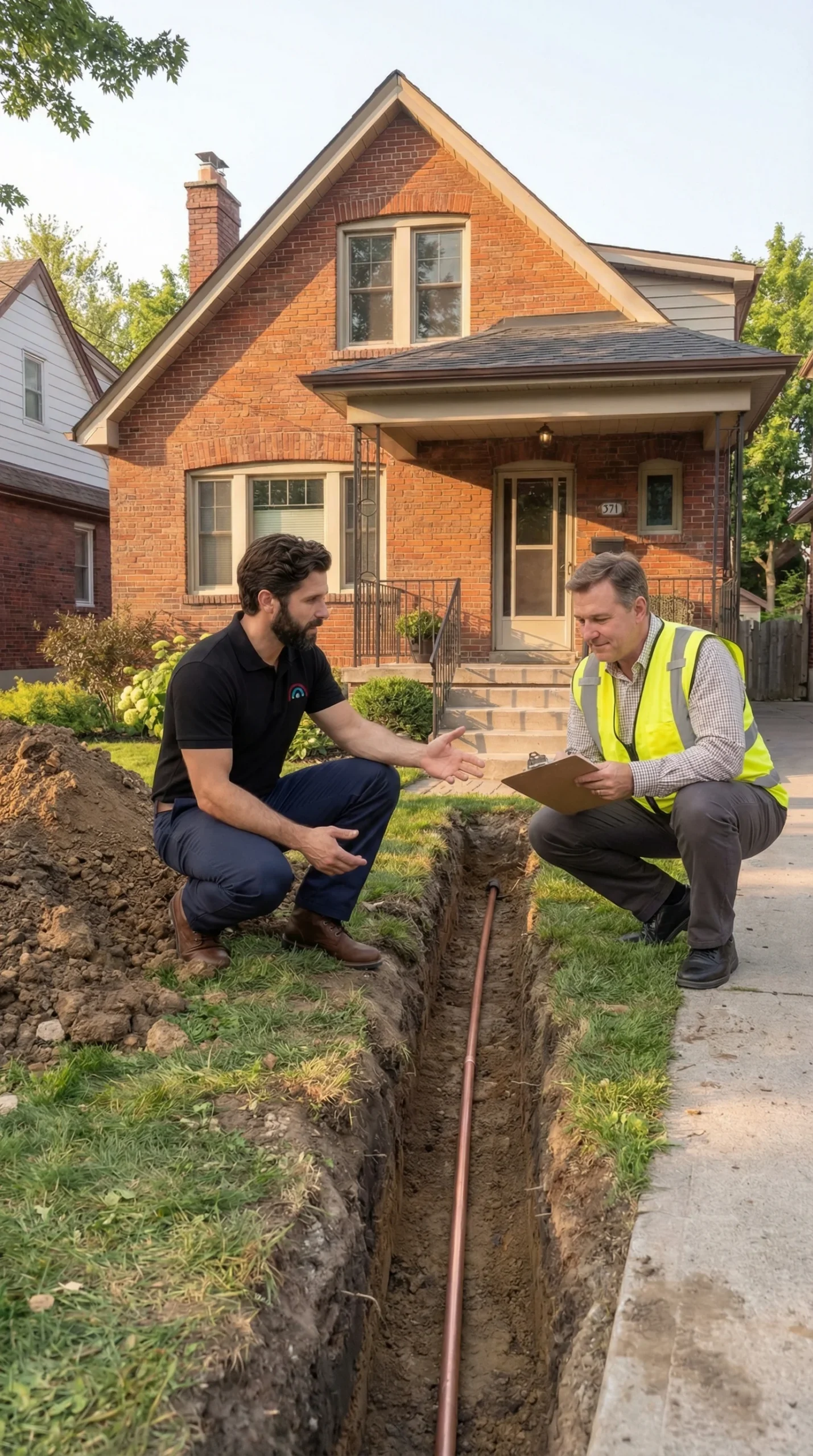
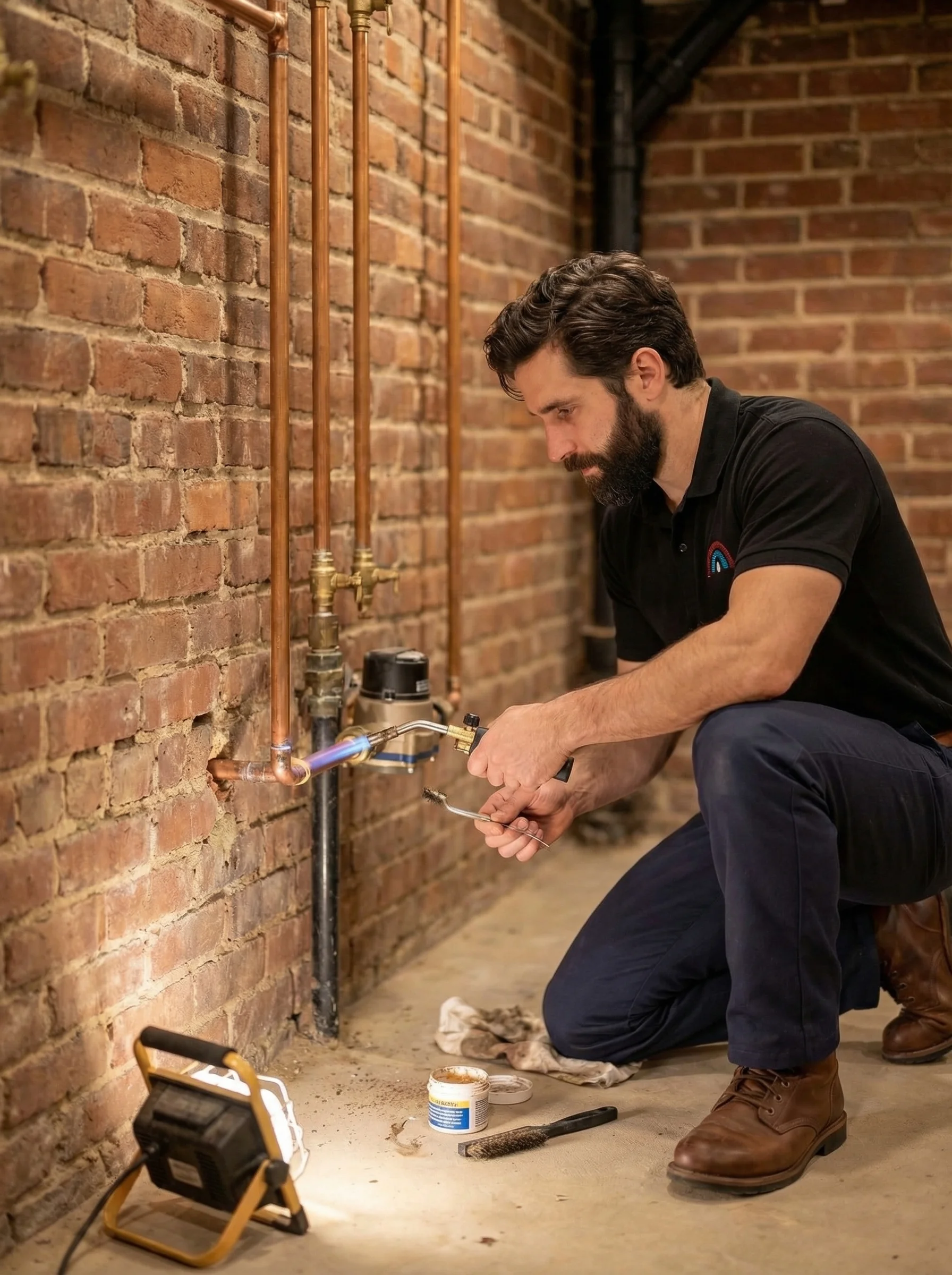
Timeline, Permits, and What the Project Actually Looks Like
Most replacements complete in one to two days — but permit approval and city coordination come first.
- Permit application submitted before any work begins — required by the City.
- Excavation, installation, and city inspection usually complete in one to two days.
- Water service is interrupted for a portion of the installation day.
Timeline & Permits
- Line length from curb stop to house entry affects overall cost.
- Depth and soil conditions affect excavation complexity.
- All factors are discussed and quoted before work begins.
Cost Factors & Site Conditions
What Copper Water Service Connects To in Your Plumbing System
Worth Knowing
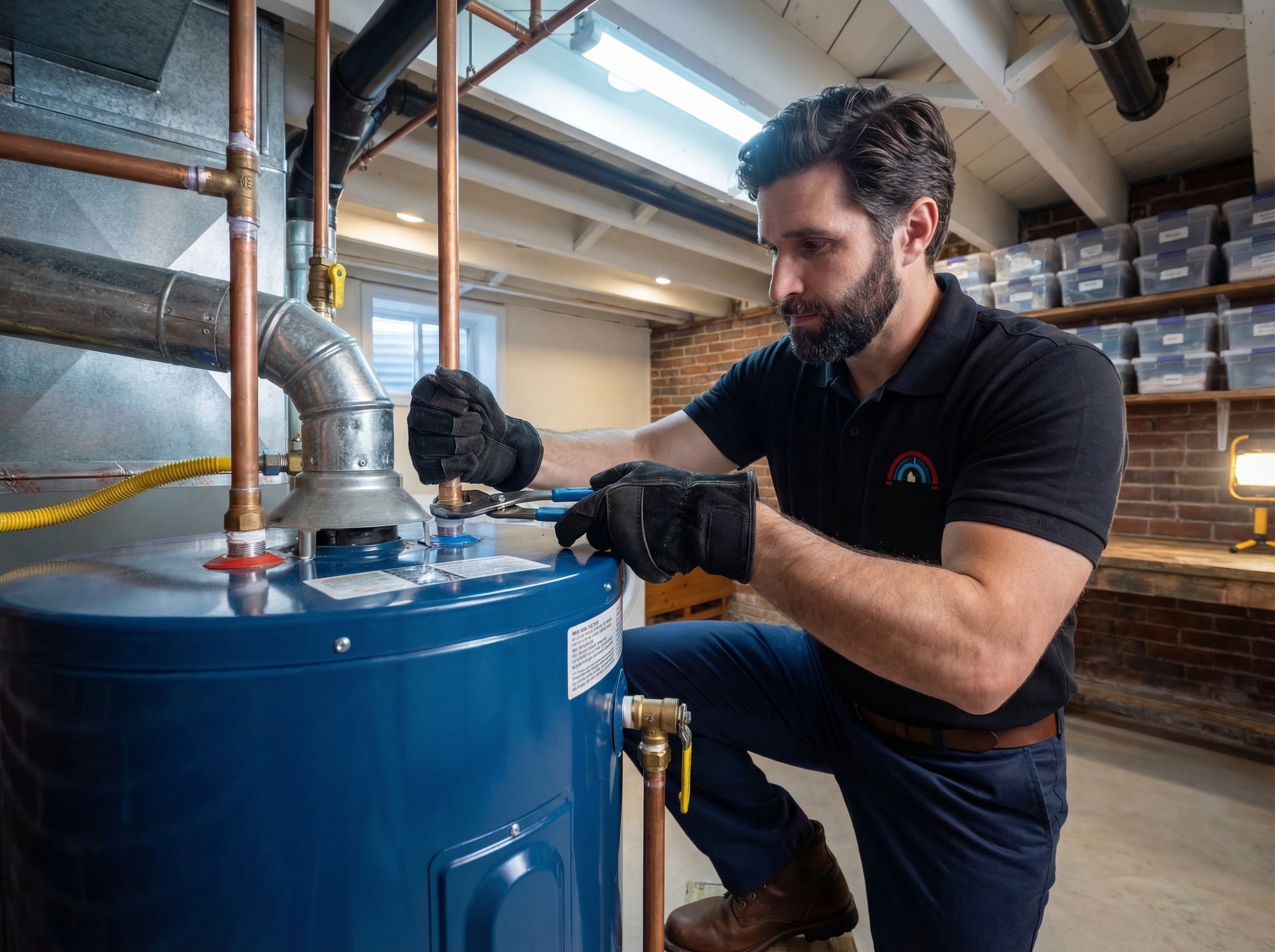
Service line replacement often coincides with aging water heaters or corroded indoor plumbing — we diagnose the full picture.
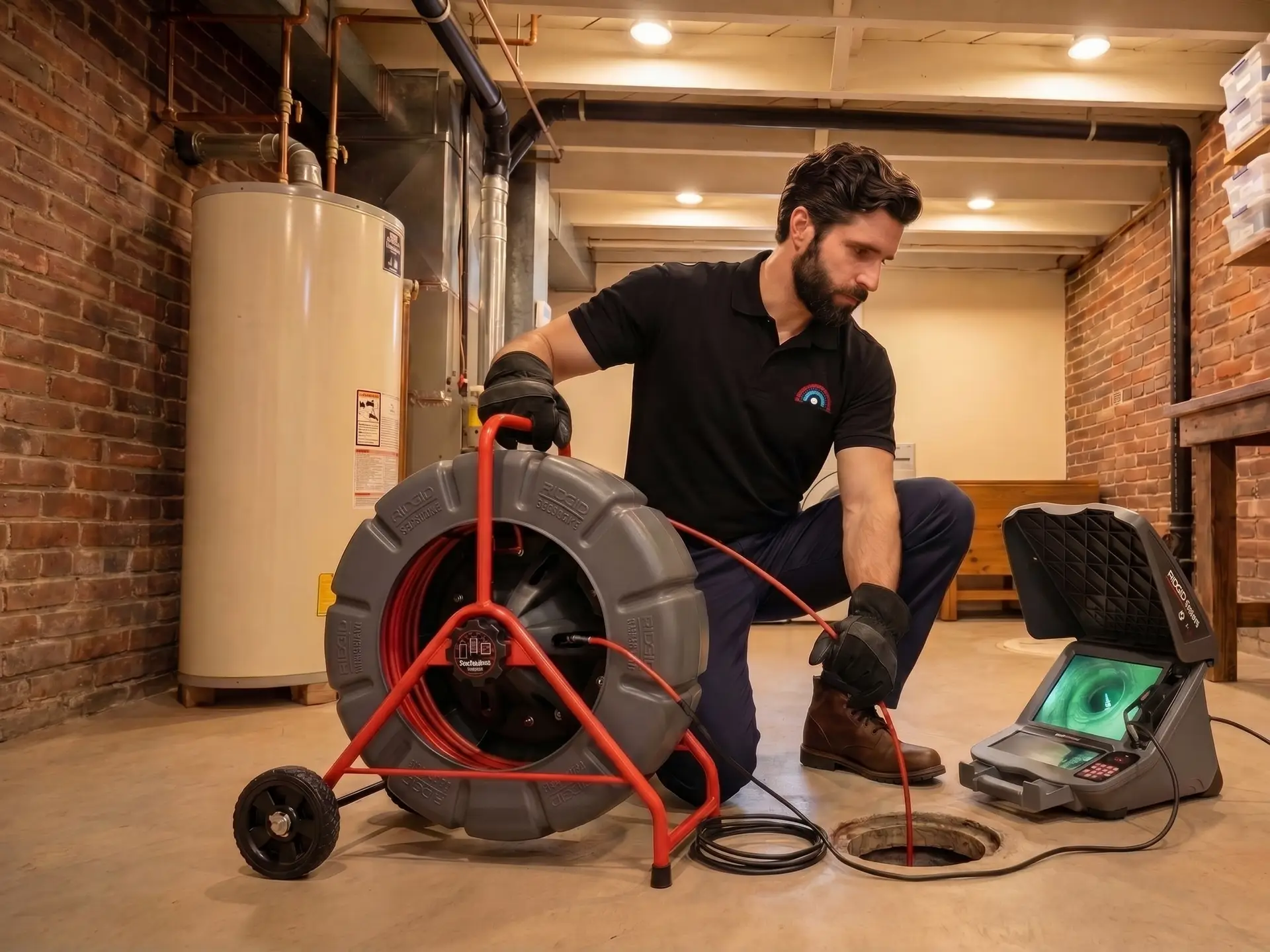

Your Copper Water Service Line Journey
How It Goes
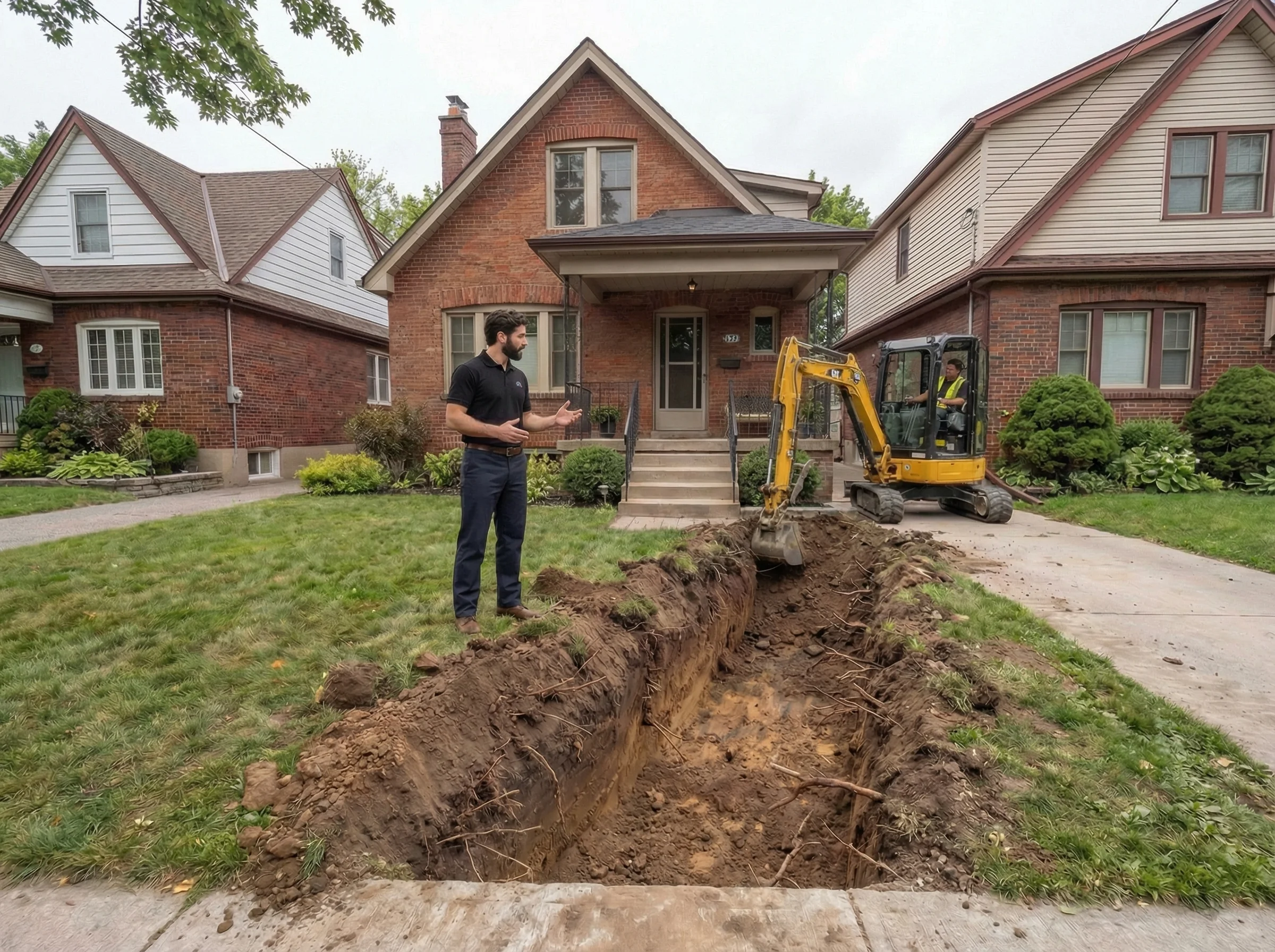
From first call to restored driveway, every stage is planned, permitted, and coordinated — with you informed throughout.
Assess & Permit
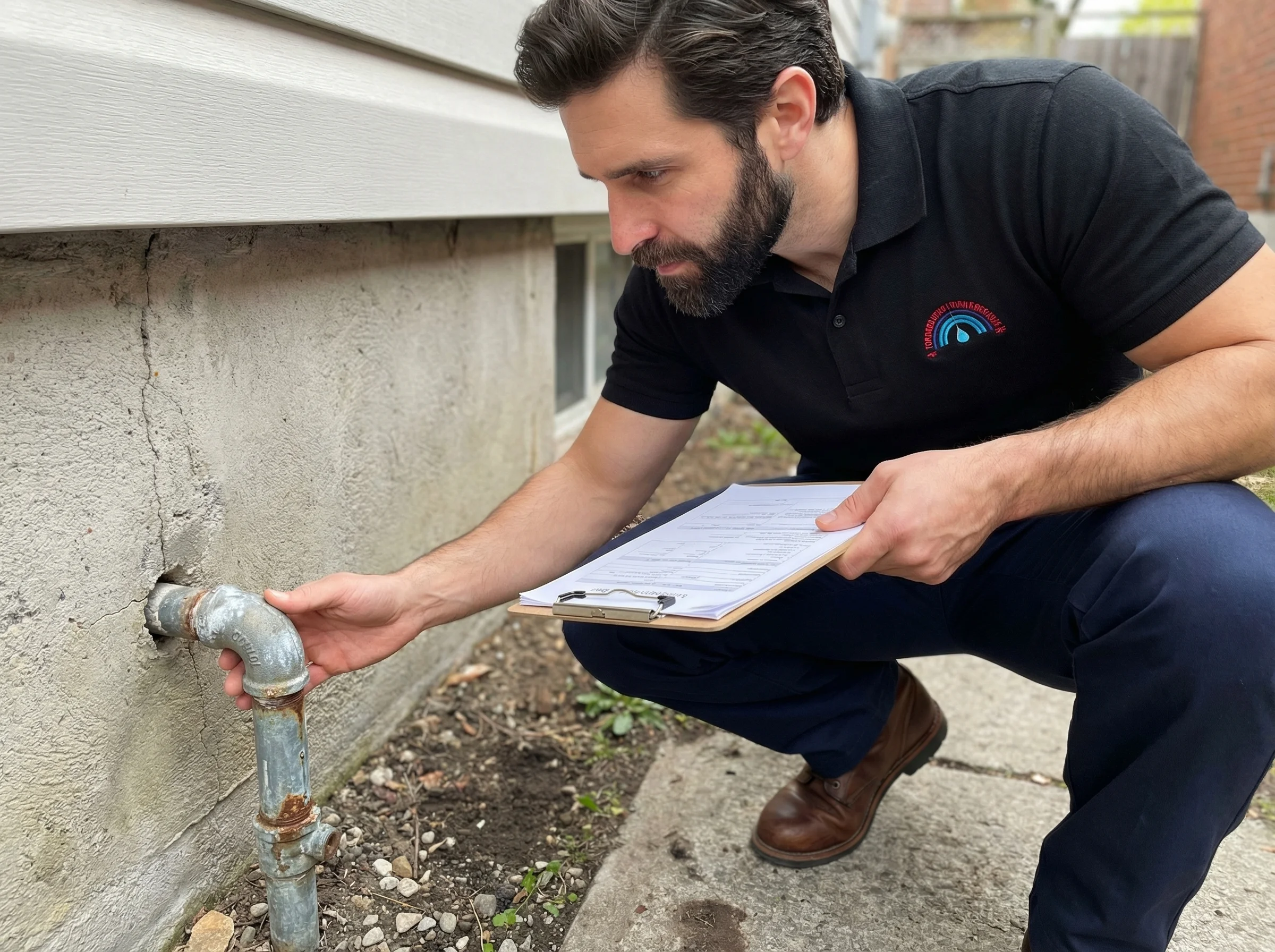
Excavate & Install
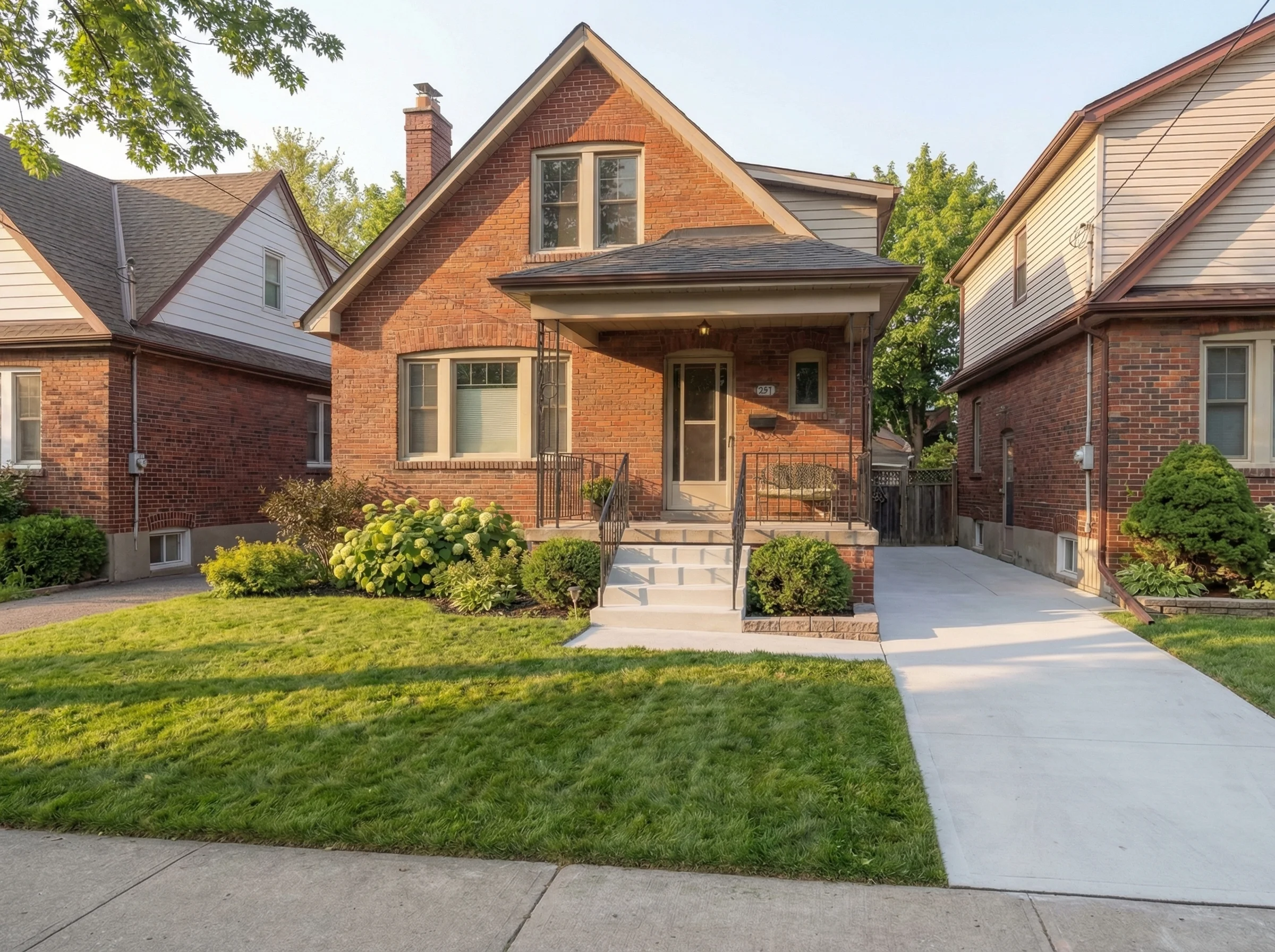
Inspect & Restore
Questions We Get Every Day
Honest answers about this service and what the process actually involves.
Contact UsHow much does water service line replacement typically cost in Toronto?
The cost depends on several site-specific factors: the length of the line from the curb stop to the house, the depth of the dig, what is above the trench (lawn, interlock, concrete driveway), and whether any surprises surface during excavation. Rather than publish a number that may not apply to your property, we assess the site first and provide a complete written quote before any work begins. Permit and city coordination fees are included in our pricing.
How long does the project take, and will I be without water during the work?
Most residential replacements are completed within one to two days of the permit being approved. You will lose water service during the installation portion of the work — typically for several hours. We schedule the interruption to minimize disruption and restore your water service before leaving the site that day.
What is the difference between galvanized and lead pipes — and does it matter which one I have?
Both materials degrade over time, but in different ways. Galvanized steel corrodes from the inside, gradually narrowing the pipe and releasing rust particles that discolor water and restrict flow. Lead pipes are a health concern — Health Canada recognizes that there is no safe level of lead exposure, and lead service lines present a direct risk to drinking water quality. If your home was built before the 1950s, there is a meaningful chance the service line is lead. If built between the 1950s and early 1970s, it may be galvanized. Both are candidates for replacement, but for different reasons.
Do I need a permit, and what does the city inspection involve?
Yes — a permit is required for water service line replacement in Toronto, and the work must pass a city inspection before the trench can be backfilled. This is not a bureaucratic formality; the inspection confirms that the new line is properly connected, correctly sized, and meets current standards. Our team manages the permit application and coordinates with the city inspector directly. You do not need to navigate the city process yourself.
Does the work affect the sidewalk, driveway, or landscaping — and what gets restored?
It may. The trench path runs from the curb stop to your house, and whatever sits above that path needs to be cut and restored. This could include lawn, garden beds, interlock, concrete sidewalk, or asphalt driveway depending on your property. Restoration is included in the project scope — we do not leave an open trench or unfinished surface. The restoration is assessed as part of the initial quote so there are no surprises.
You Know What's Involved. Let's Take a Look at Your Line.
Our team handles the assessment, the permit, the city coordination, and the restoration — so you can make an informed decision.
- Licensed & Insured Professionals
- 24/7 Emergency Response Available
- Clear Pricing — No Hidden Fees
- No-Obligation Assessment
- 15+ Years Experience in the GTA
Or call us directly at (416) 807-6713