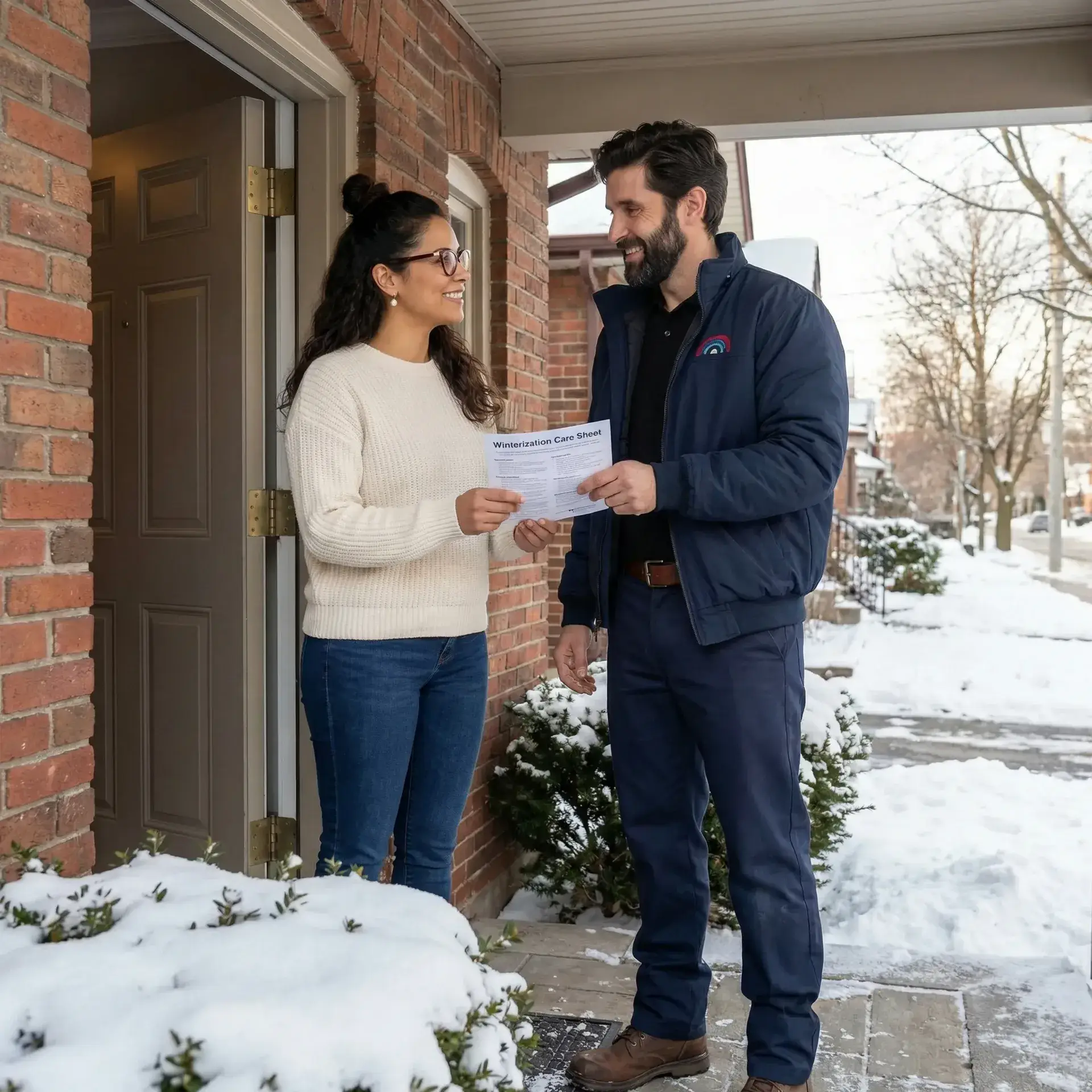
Thawed Safely Before the Pipe Bursts
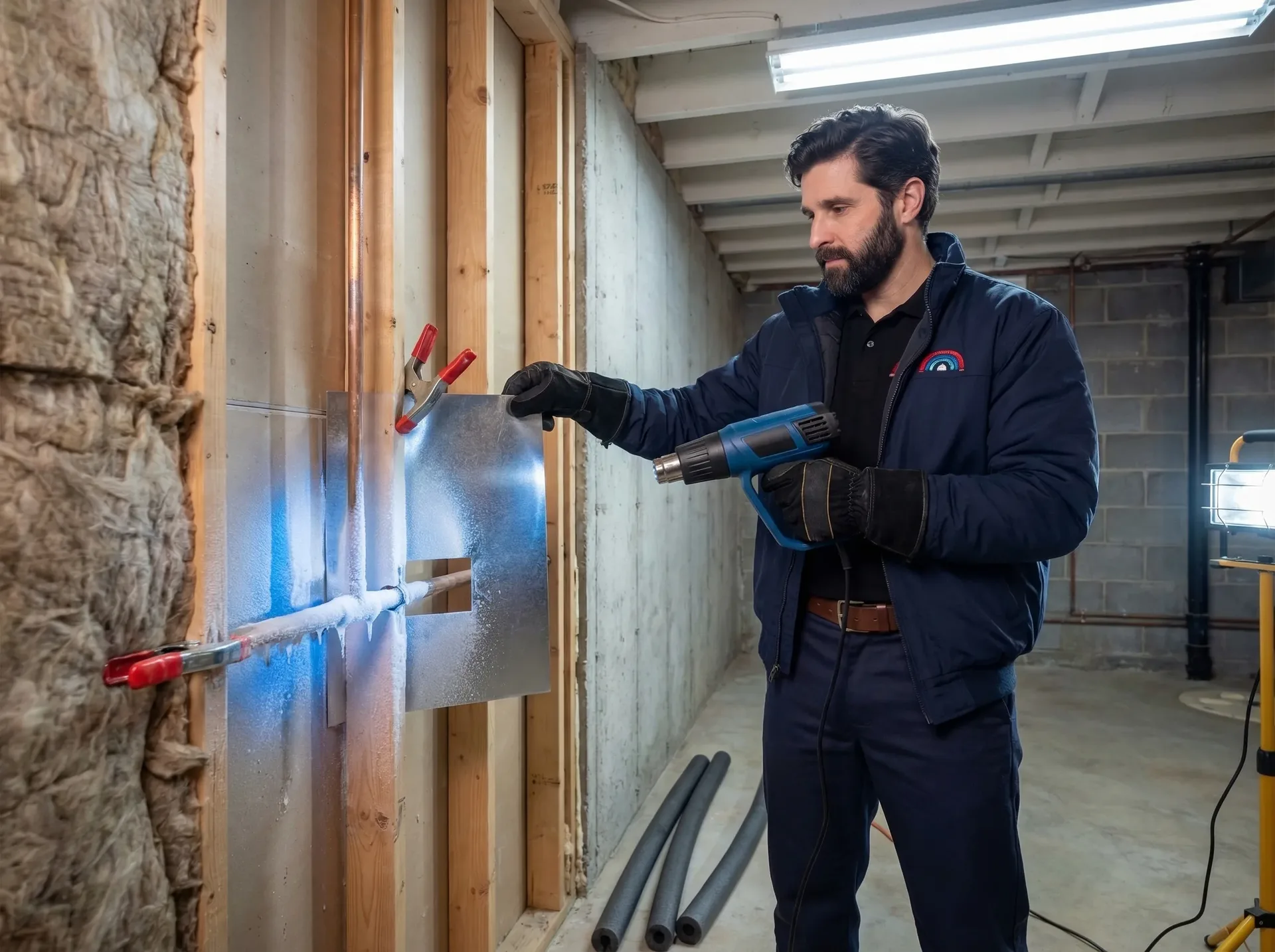
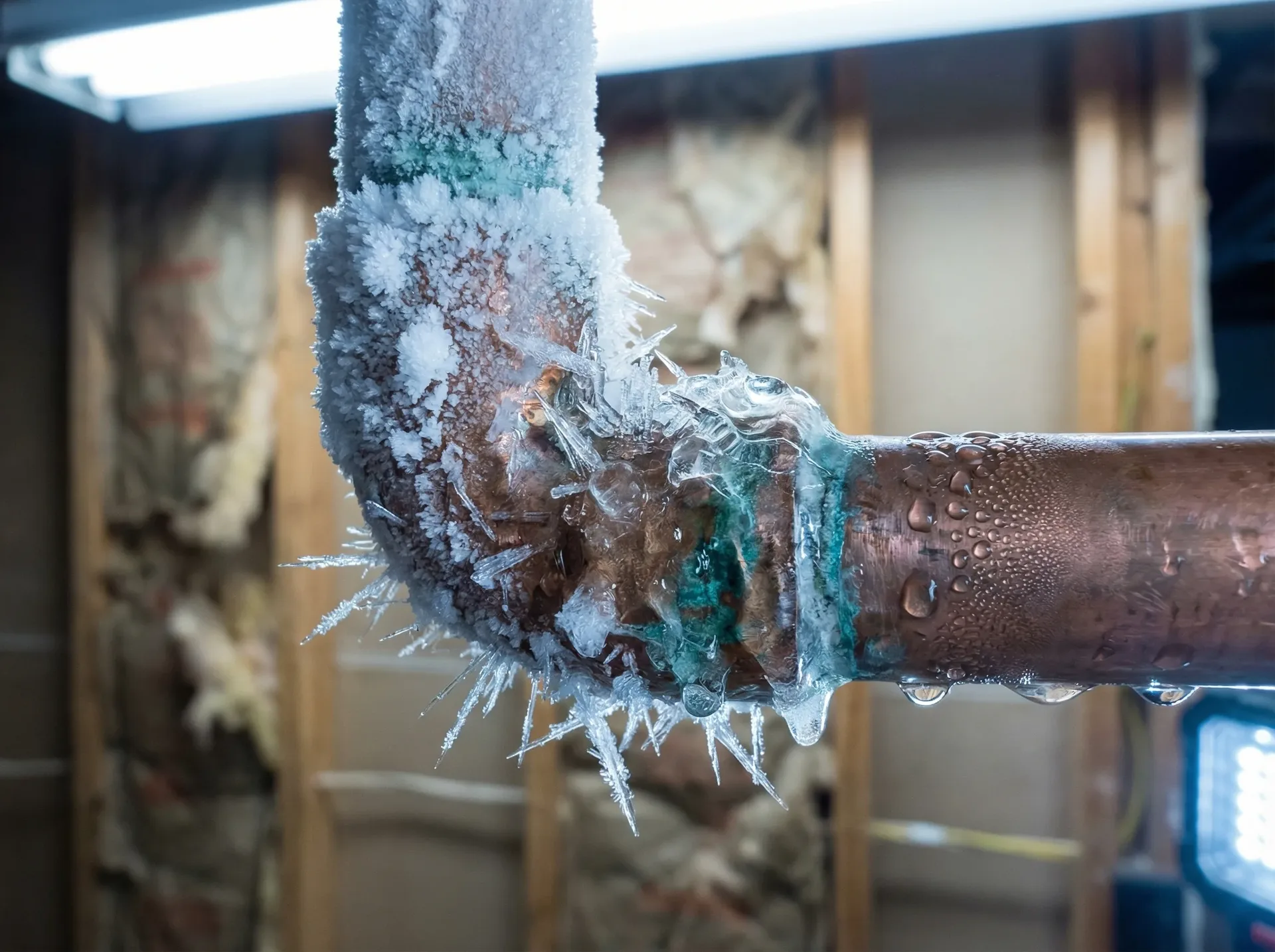
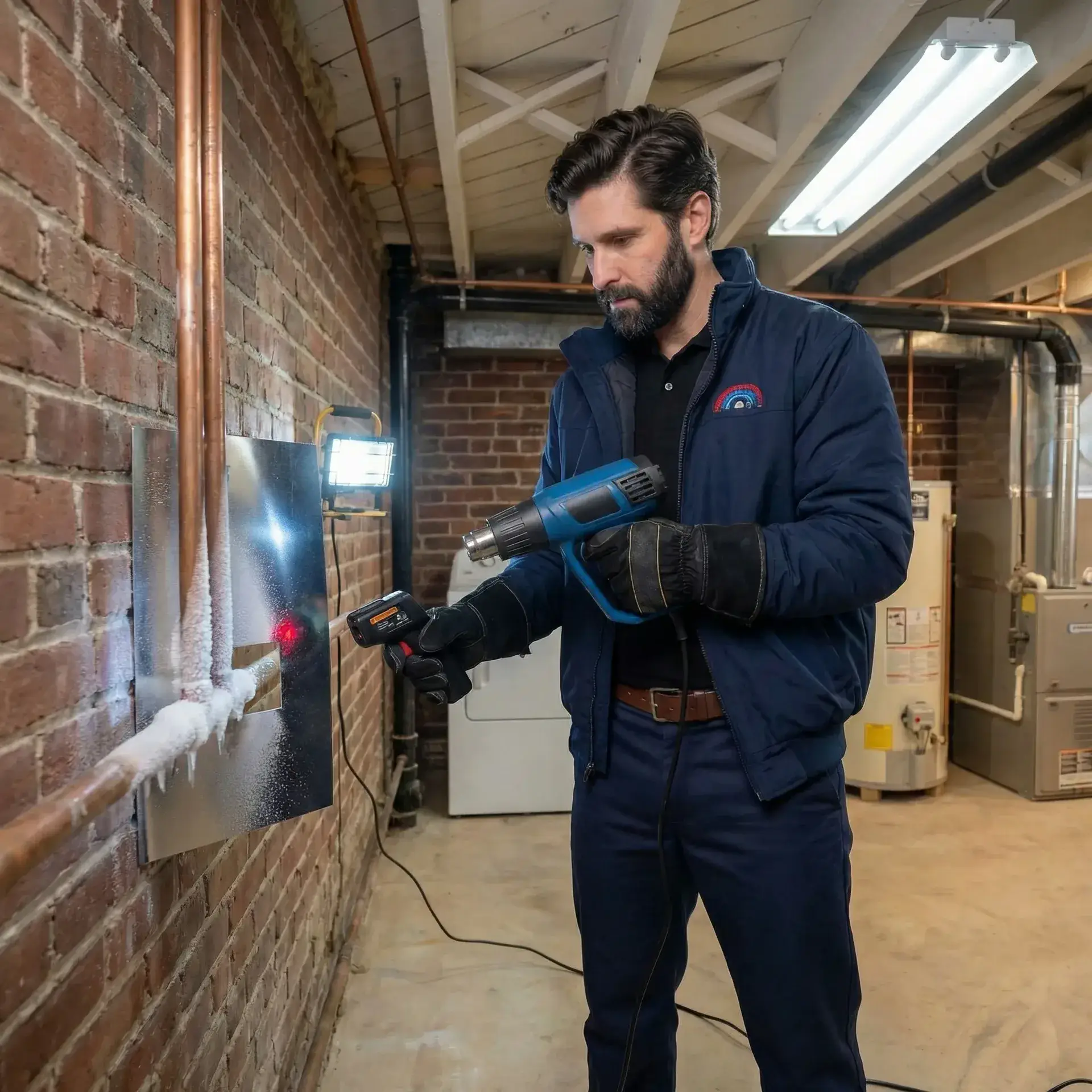
Do not apply direct heat from a torch, heat gun, or space heater — rapid heating causes the burst you are trying to prevent. Open the faucet served by the frozen pipe, let warm room air circulate, and call a technician with professional thaw equipment.
How to Tell If Your Pipes Are Frozen — and How Urgent It Is
Triage
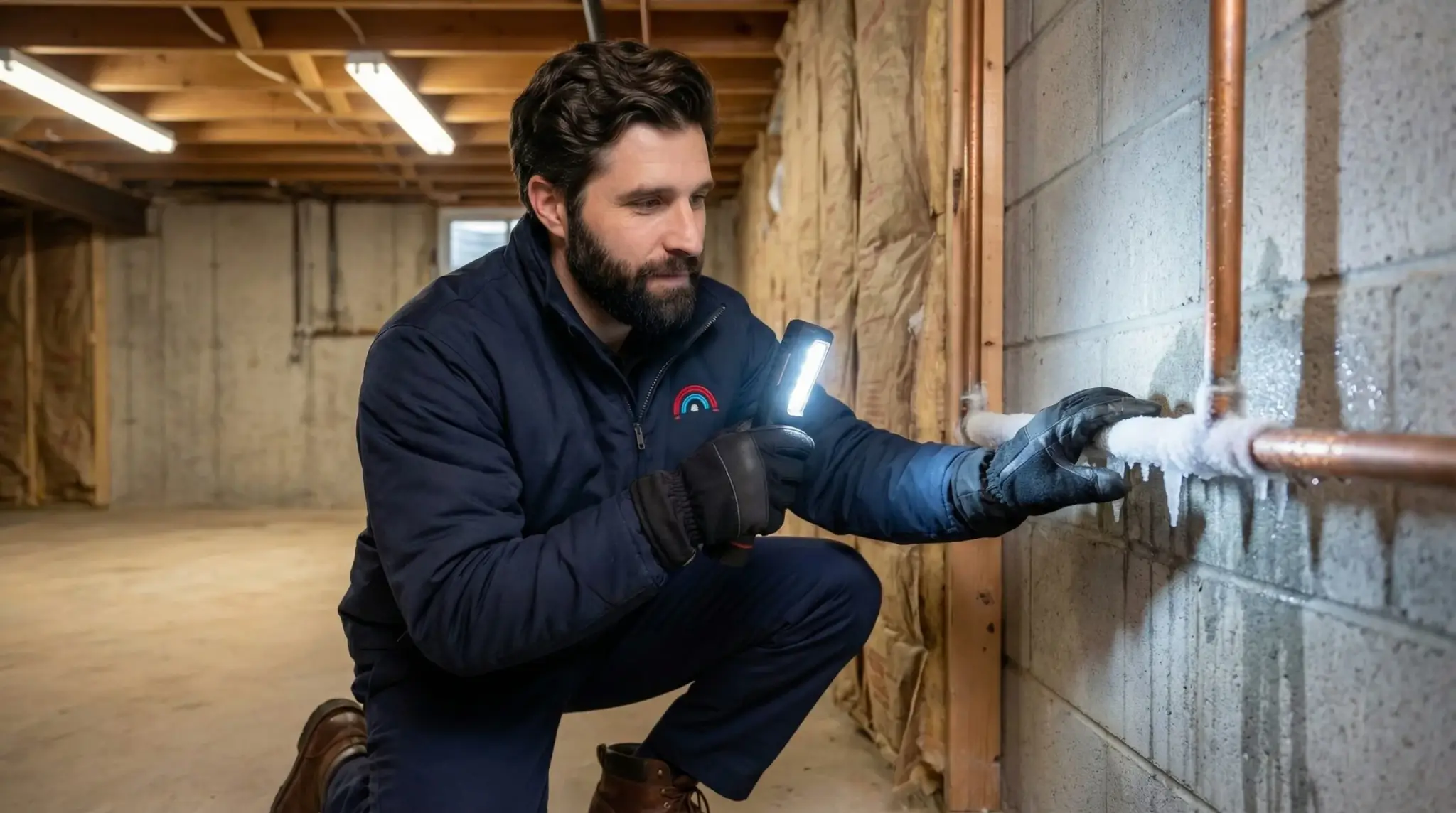
Signs of a freeze: no water from faucets, frost on exposed pipes, unusual sounds when you open a tap. Signs of a burst: water stains with no visible source, running water sounds when everything is off, or damp and bulging drywall. Pipes can burst within hours below -6C. If you see burst signs, shut off your main water supply immediately and call.
Why the Thawing Method Matters More Than Speed
What Happens After the Thaw — and How to Prevent This Next Winter
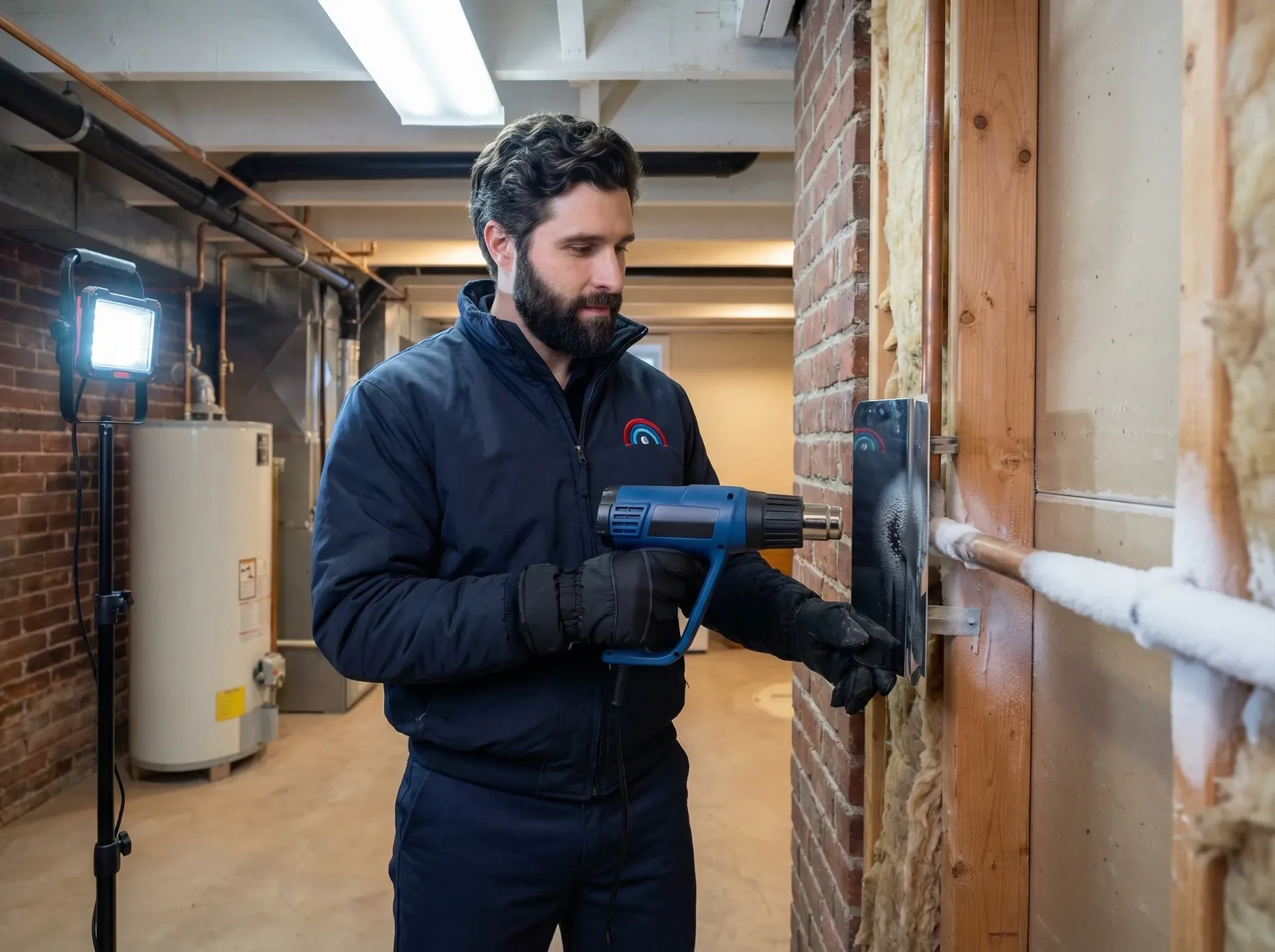
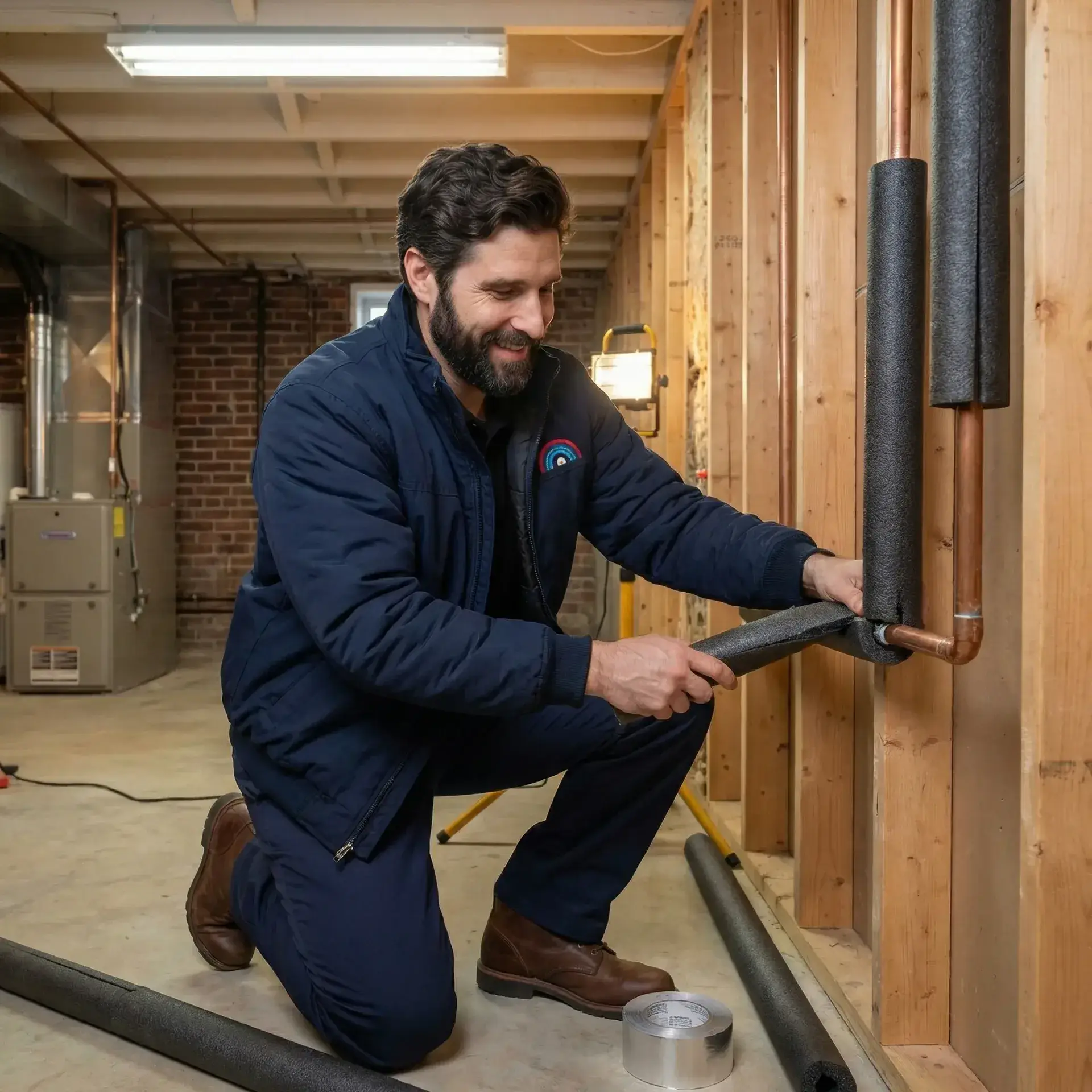
Most frozen pipes that have not burst are resolved in one to two hours. Burst pipe repair takes longer depending on pipe location, but work can begin the same day — upfront pricing is provided before starting. To prevent a repeat: insulate exposed pipes with foam sleeves, seal cold air gaps in exterior walls, install heat tape on problem areas, keep your thermostat at 13C minimum while away, and disconnect outdoor hoses before the first freeze.
- Most frozen pipes resolved in one to two hours
- Burst pipe repair can begin same day
- Upfront pricing before starting
Immediate Resolution
- Insulate exposed pipes with foam sleeves
- Seal cold air leaks around exterior walls
- Install heat tape on chronic problem areas
Prevention Plan
Frozen Pipes Connect to Problems You Should Know About Before They Happen
Worth Knowing
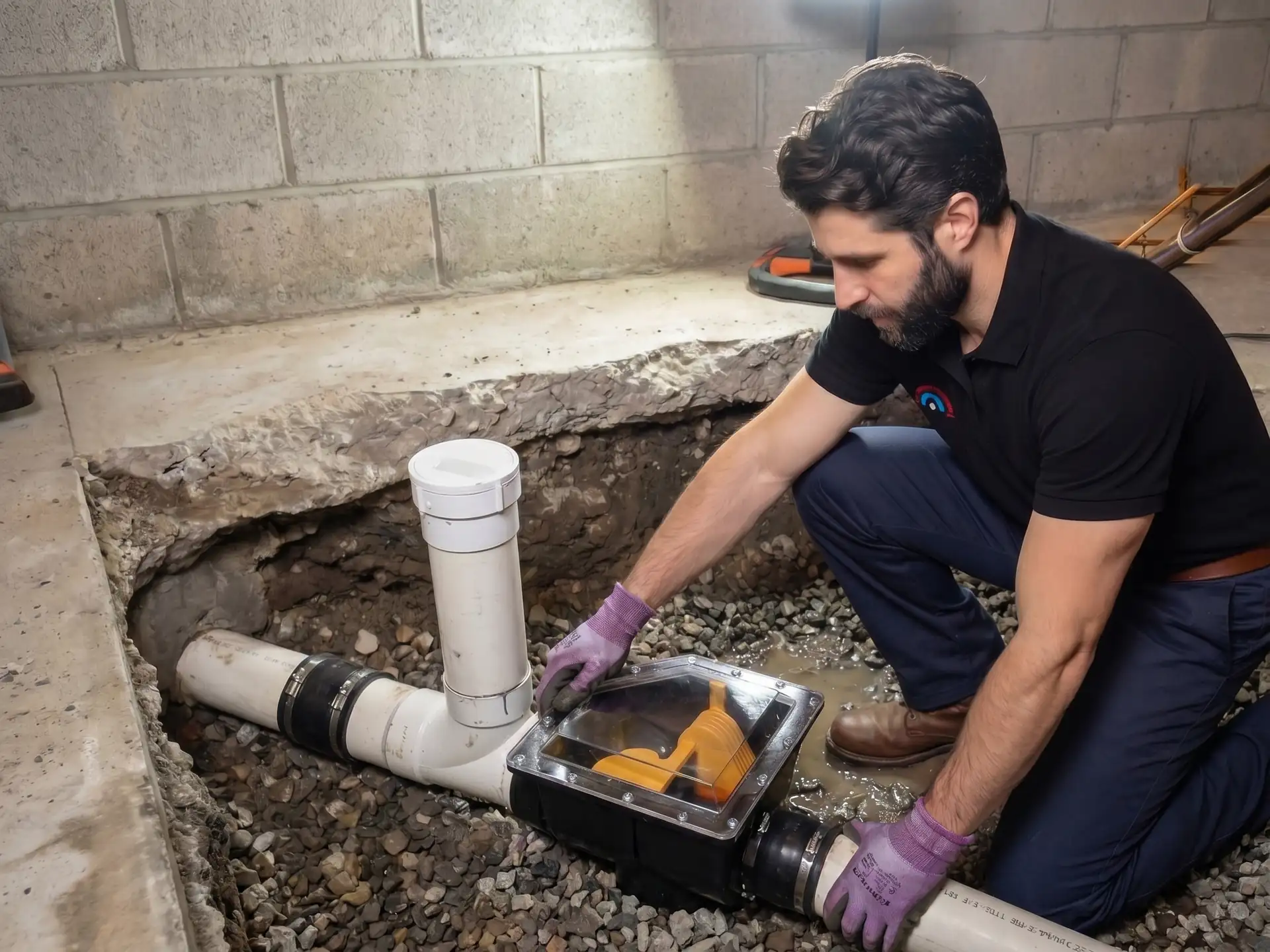
A frozen pipe is urgent, but it rarely exists in isolation. The same cold that freezes pipes can affect other systems in your home — and a burst pipe creates cascading problems. Knowing these connections ahead of time means faster, smarter decisions.
What Happens From the Moment You Call
How It Works
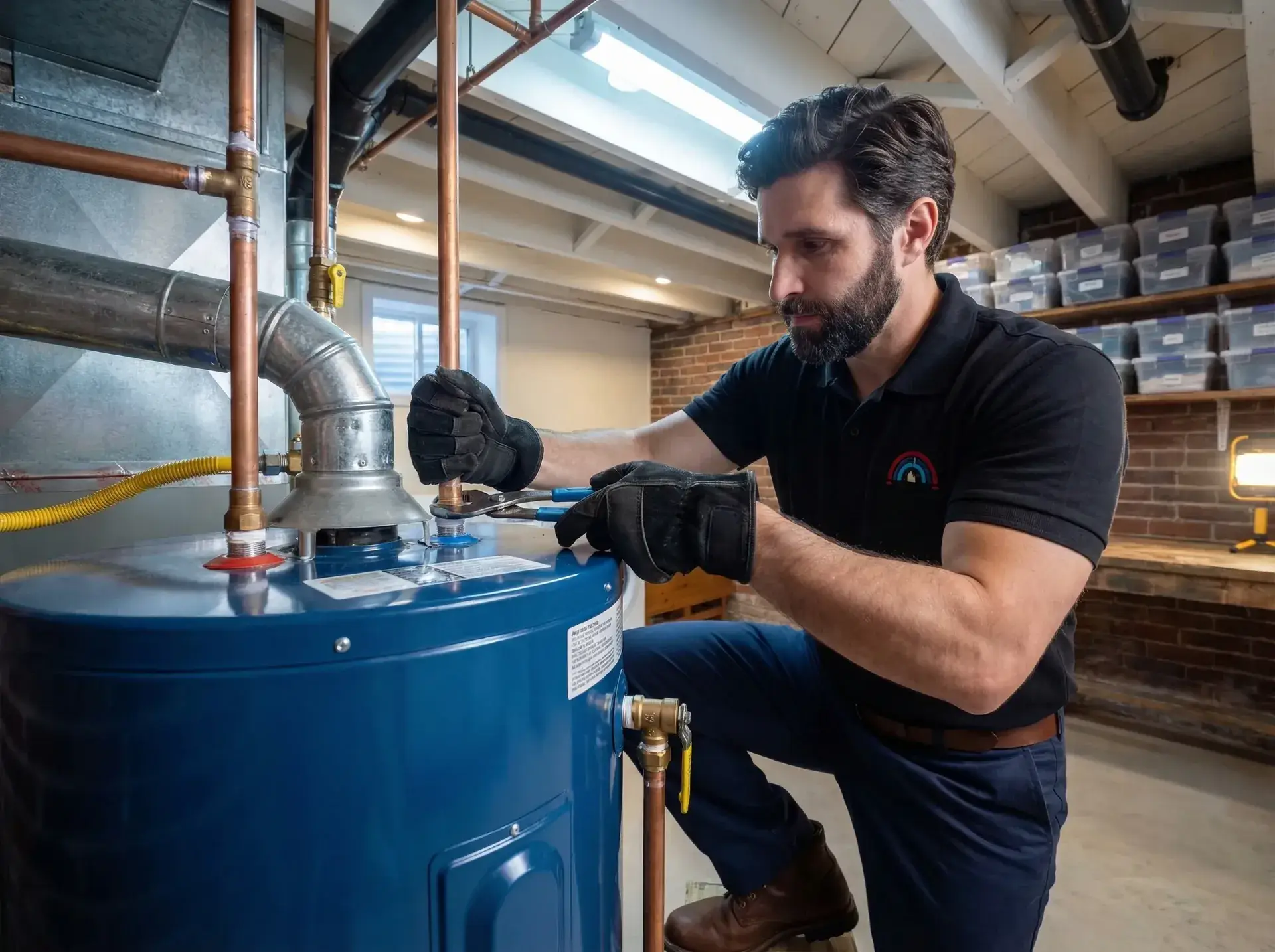
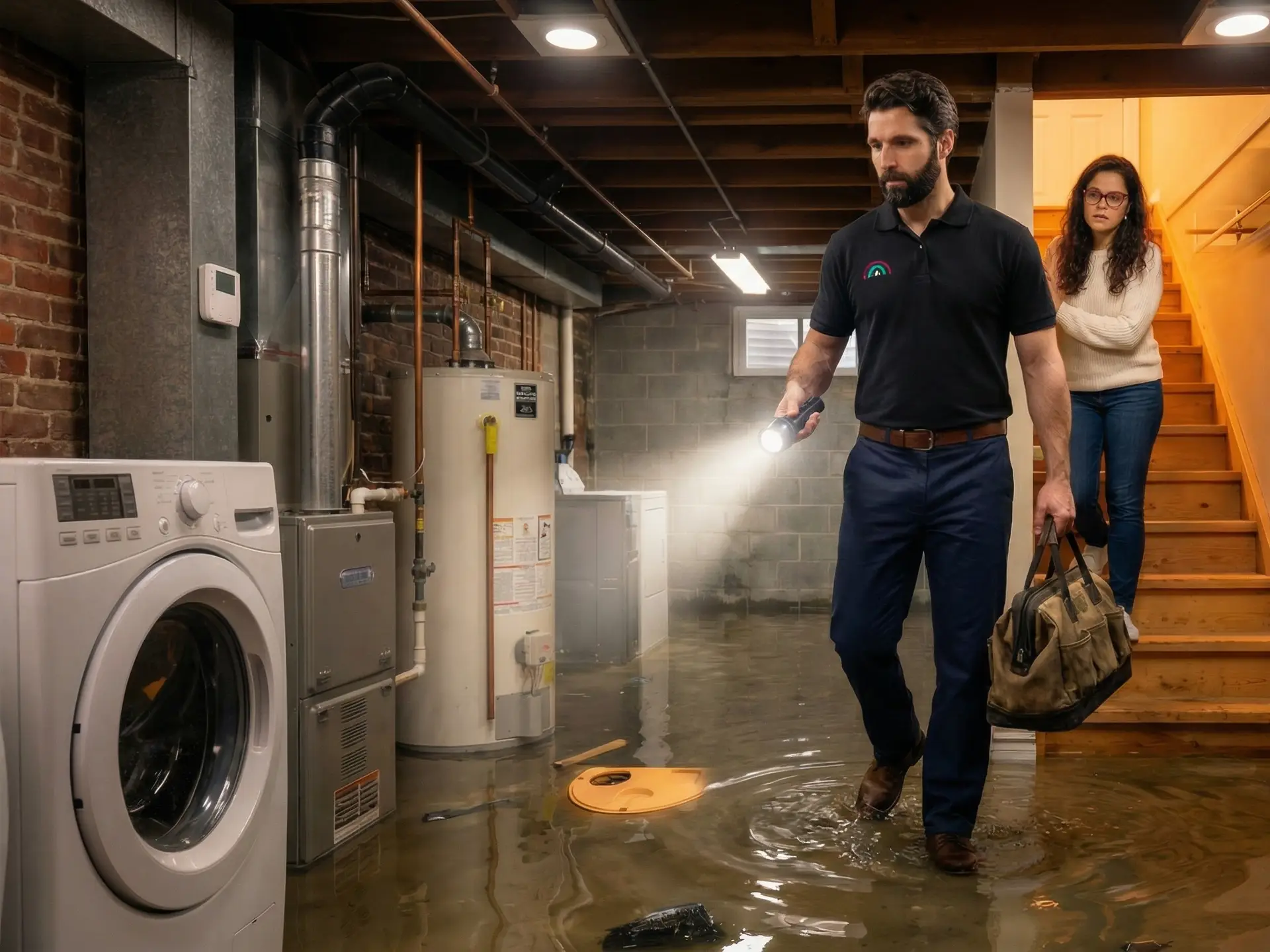
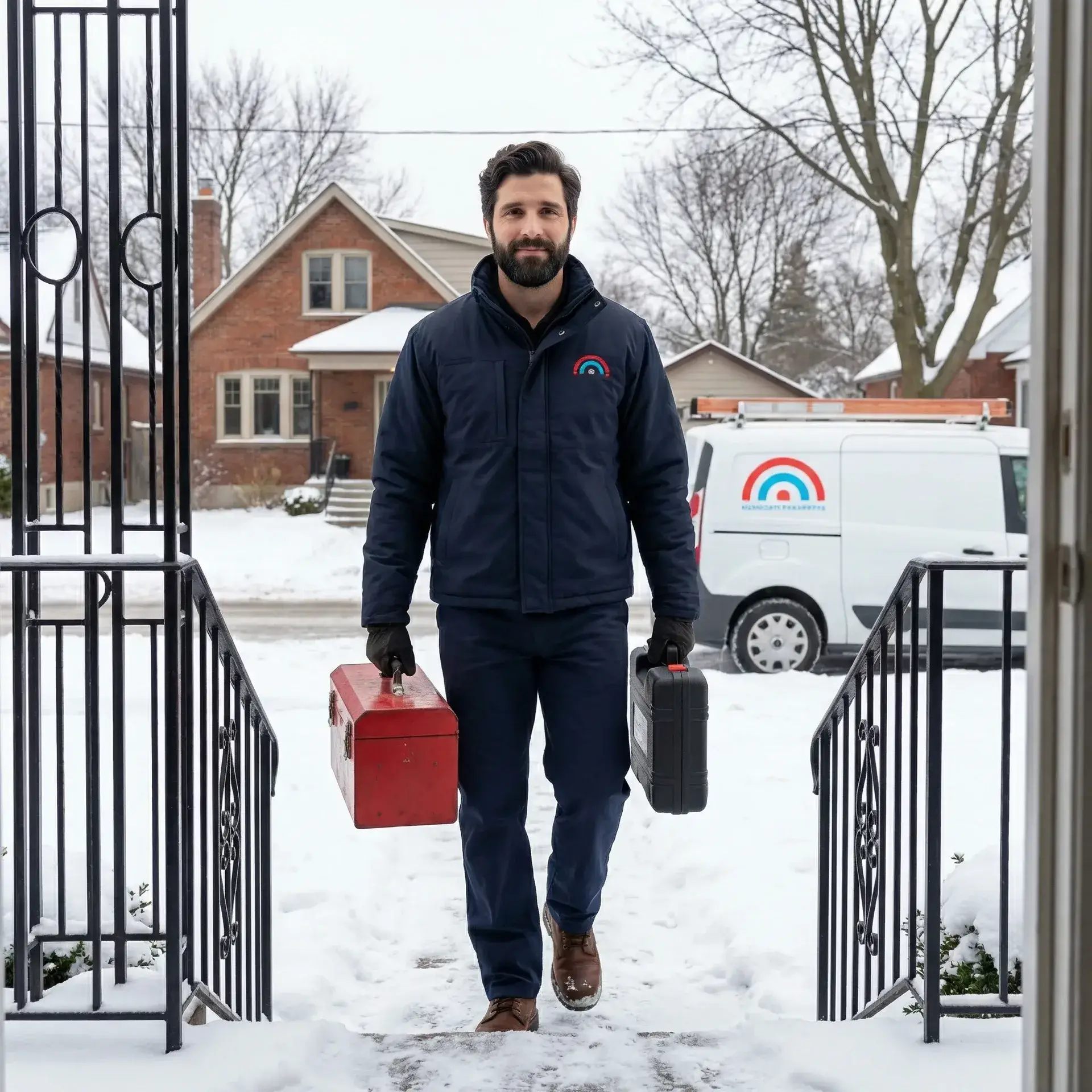
We respond quickly, assess what is frozen or burst, and contain the problem. If the situation is safe to monitor, we tell you that directly.
Call and Assess
Locate and Thaw
Prevention Plan
Questions About Frozen Pipes
Honest answers about this service and what the process actually involves.
Contact UsCan I thaw a frozen pipe myself, or do I always need a professional?
It depends on location and accessibility. If you can see and reach the frozen section — under a sink, along a basement wall — gentle warmth from a hair dryer on low setting can work. Keep the dryer moving and open the connected faucet. For pipes inside walls, under floors, or in crawl spaces, you need professional thaw equipment. You cannot safely heat what you cannot see, and hidden freezes are often more extensive than they appear from outside.
How do I know if a pipe has already burst?
Sometimes it is obvious — water pouring from a wall or ceiling. More often, a burst pipe stays hidden until the ice plug melts and water starts flowing through the crack. Warning signs: water stains on walls with no source, the sound of running water when everything is off, a sudden drop in water pressure, or damp and bulging drywall. If you suspect a burst, shut off your main water supply and call immediately.
What does frozen pipe service actually cost?
Emergency thawing runs $300 to $600 depending on pipe location and how accessible the frozen section is. Burst pipe repair varies with the extent of damage. Upfront pricing is provided after assessment — you approve the number before any work starts. For context: winterization to prevent this next year runs $200 to $500 for most homes.
Will this happen again next winter?
Not if the root cause is addressed. Pipes freeze for specific, identifiable reasons: poor insulation, cold air gaps, inadequate heating in certain areas. After resolving the freeze, the technician shows you exactly where and why it happened and gives you a prevention plan. Fixing those underlying issues eliminates repeat events in the same location.
At what temperature should I start worrying about my pipes?
At -6C (20F) or below, especially during sustained cold. Wind chill amplifies the risk for pipes in exterior walls. Duration matters as much as temperature — three consecutive days at -10C is more dangerous than one night at -20C. Keep indoor temperatures at 13C (55F) minimum, even in unused rooms or while traveling. If a deep freeze is forecast, open cabinet doors under sinks and let faucets drip.
Every Hour a Pipe Stays Frozen, Pressure Keeps Building.
Professional thawing stops that process safely. We respond 24/7 — including nights, weekends, and holidays — and contain the problem before it gets worse.
- Licensed & Insured Professionals
- 24/7 Emergency Response Available
- Clear Pricing — No Hidden Fees
- No-Obligation Assessment
- 15+ Years Experience in the GTA
Or call us directly at (416) 807-6713