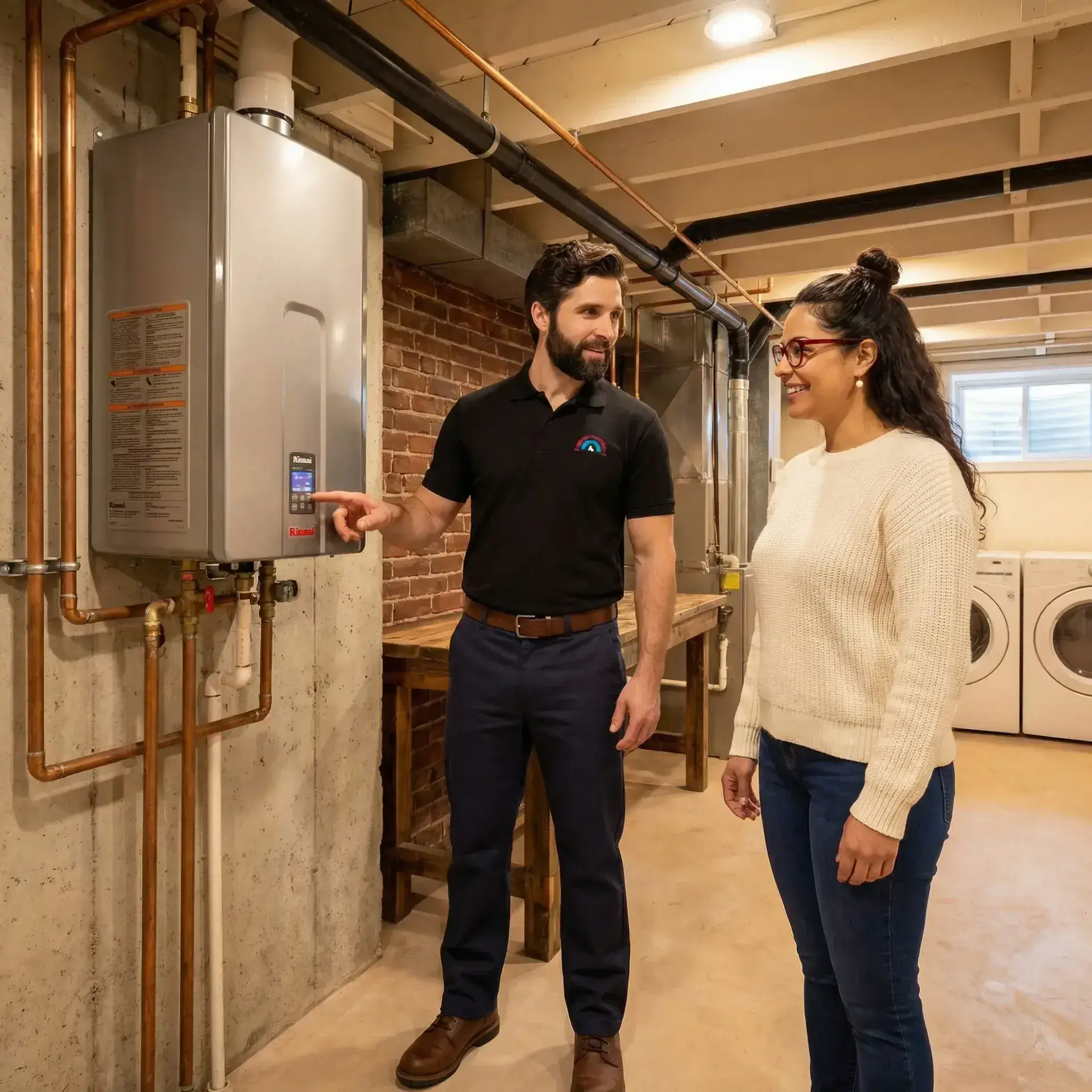
Hot Water Restored — the Right Way
Rust-colored water, strange rumbling, or inconsistent temperatures are your water heater telling you something. This page breaks down what those signs mean, when a repair makes sense vs. a full replacement, and how tank and tankless systems compare.
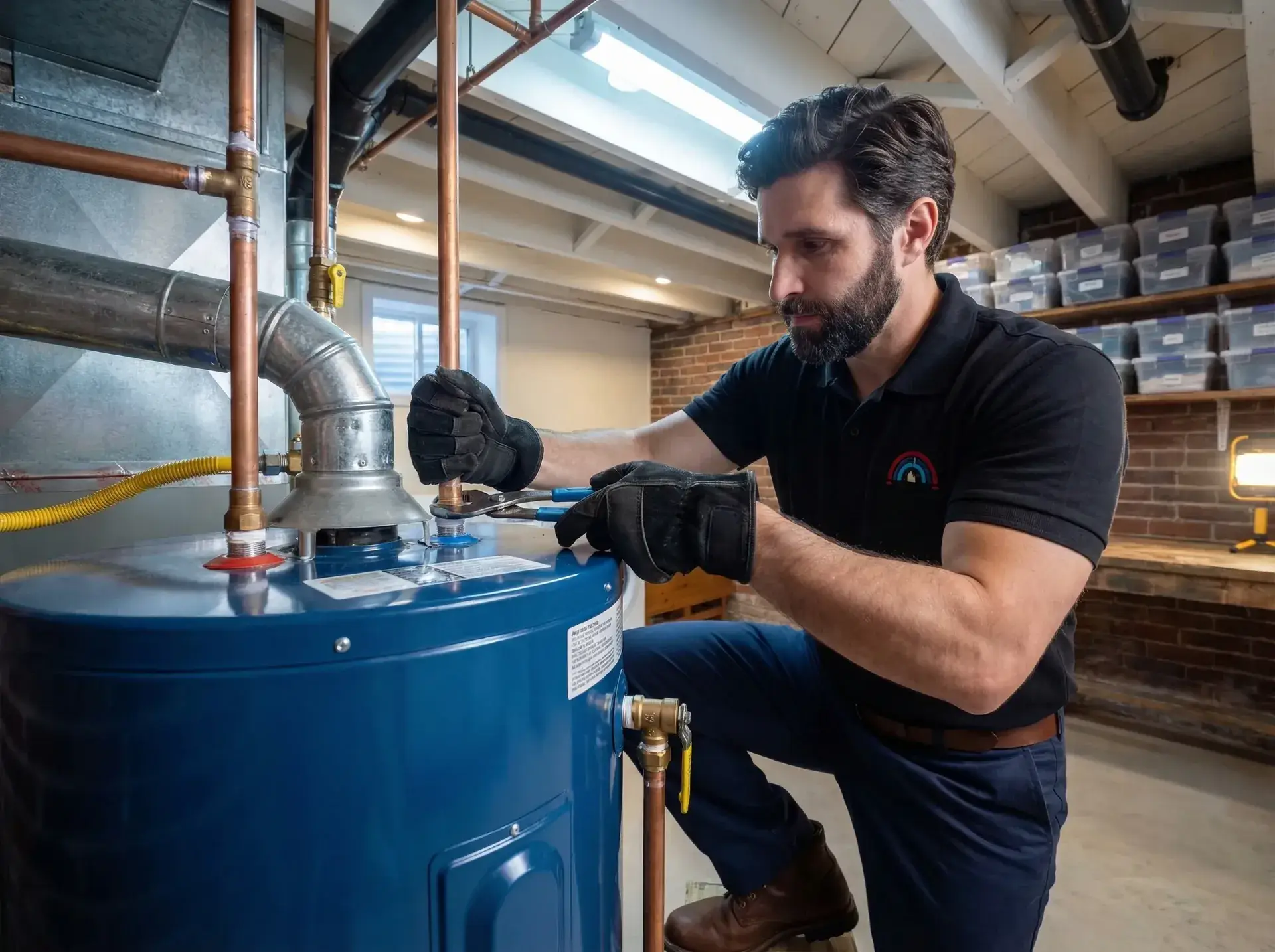
What Those Warning Signs Actually Mean
Repair vs. Replace
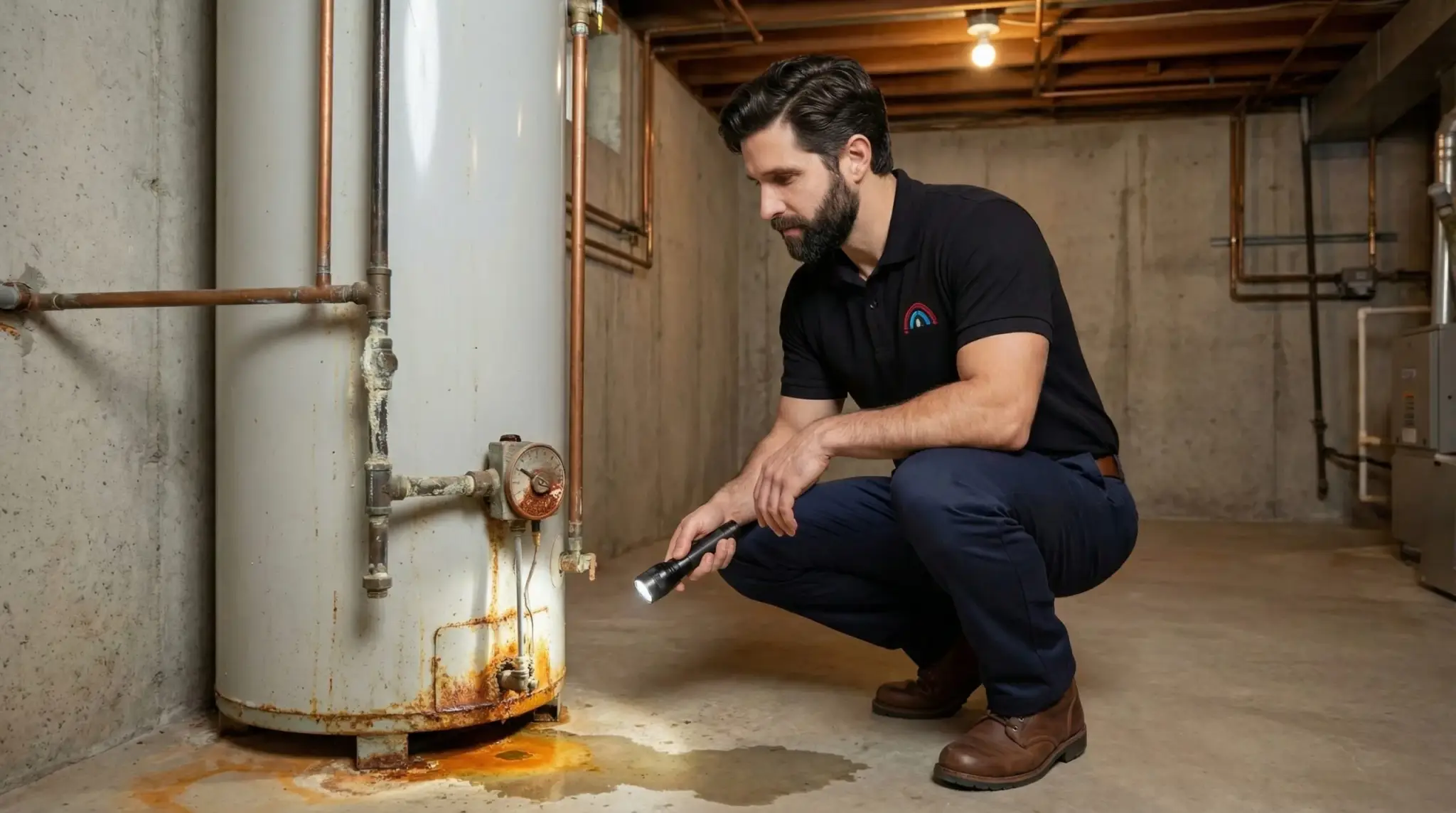
Others, like tank corrosion or base leaking, mean replacement is the more practical path. Units approaching 10 to 15 years with stacking symptoms are usually better replaced than repaired.
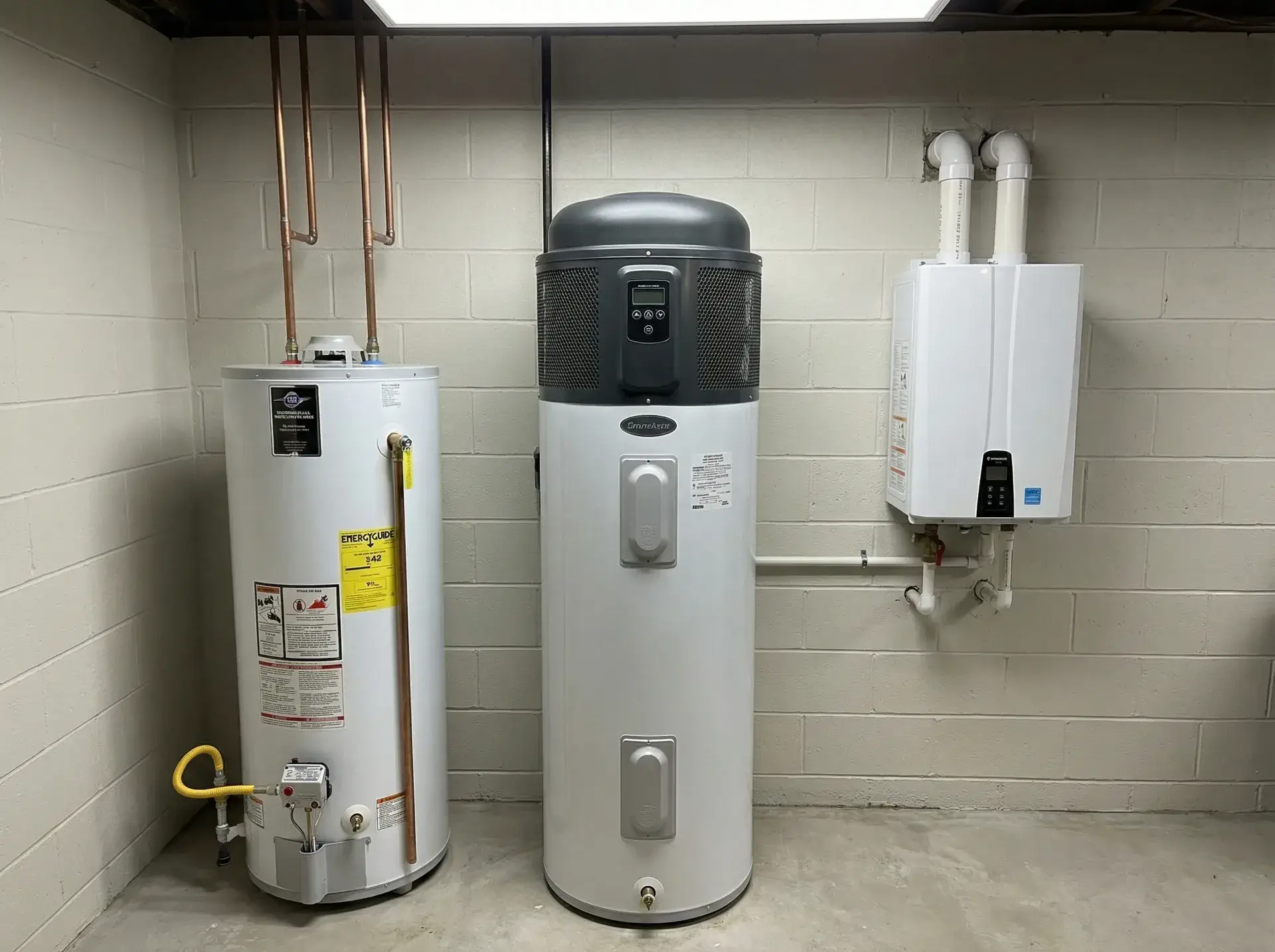
Three Options — Only One Right for Your Home
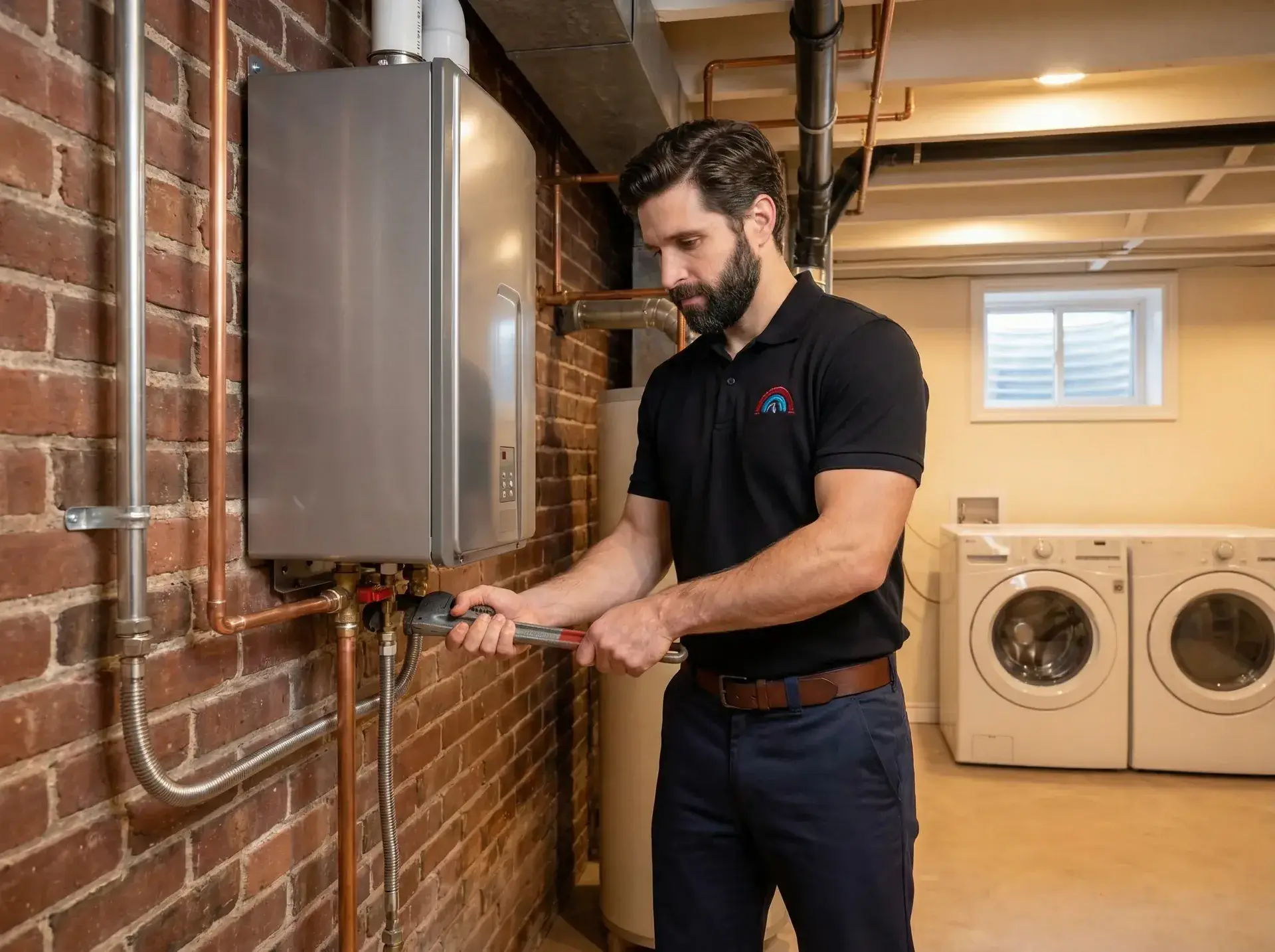
Why Proper Installation Changes Everything
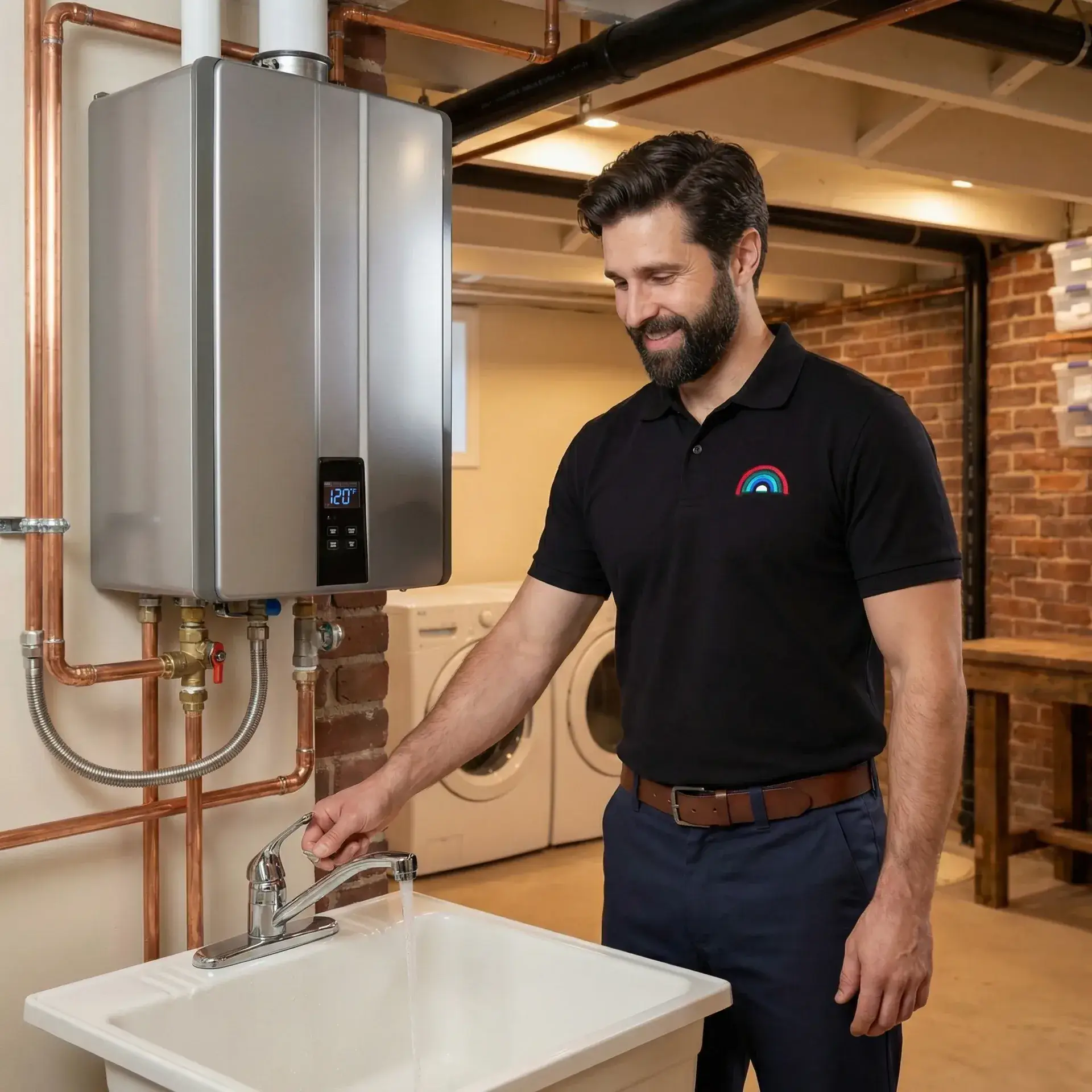
Gas lines, electrical connections, venting requirements, and building codes make this a professional job. Improper installation leads to inefficiency, safety hazards, and voided warranties. Every detail gets handled — safe removal of the old unit, code-compliant installation, and full system testing before the job is done.
- Most installations wrap up in a single day
- We handle removal, cleanup, and disposal
- Hot water runs before we leave
What the Work Day Looks Like
- Unit type, fuel source, and access complexity
- Full price confirmed before any work begins
- No hidden fees added after the fact
How Your Quote Is Built
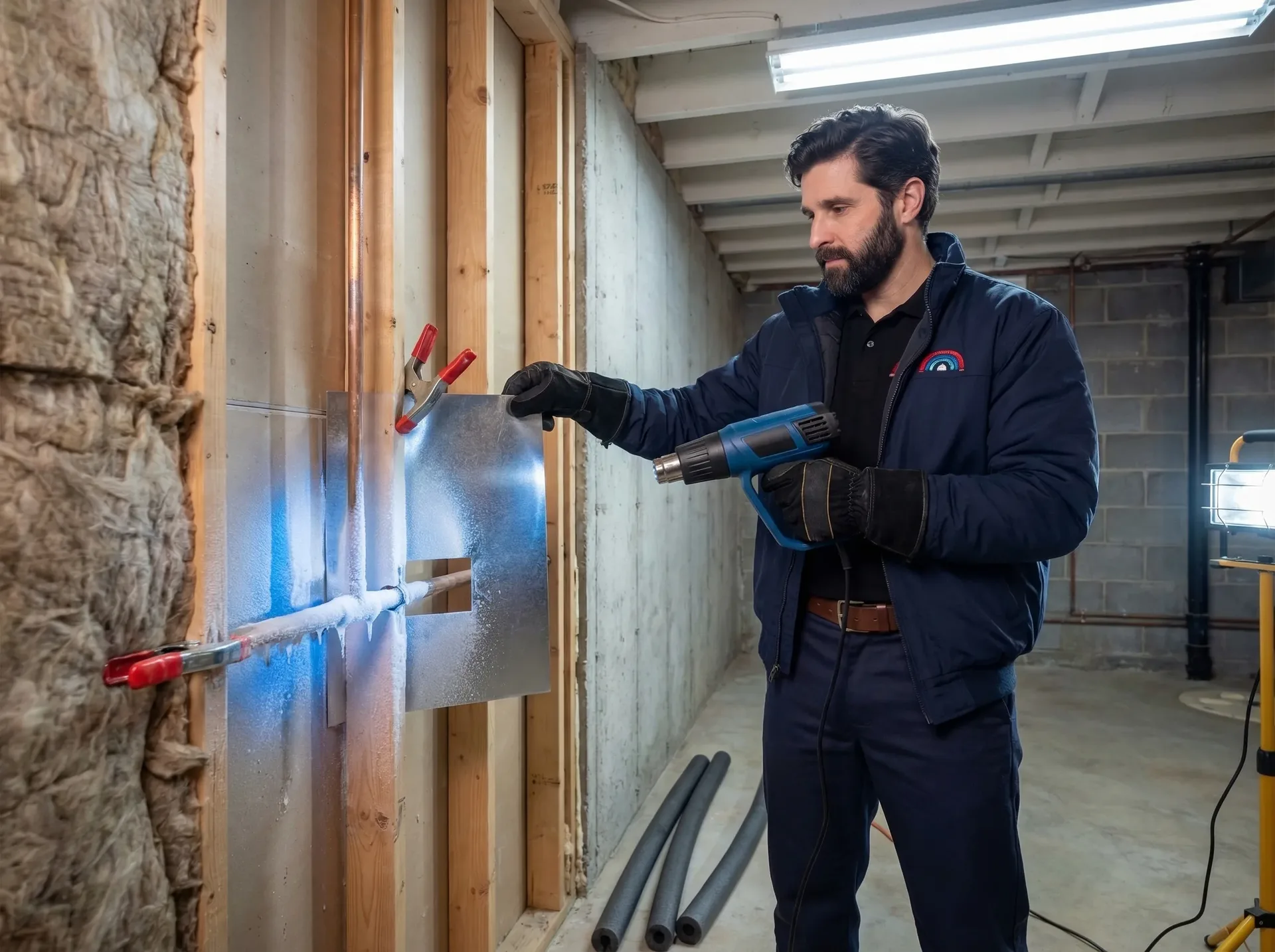
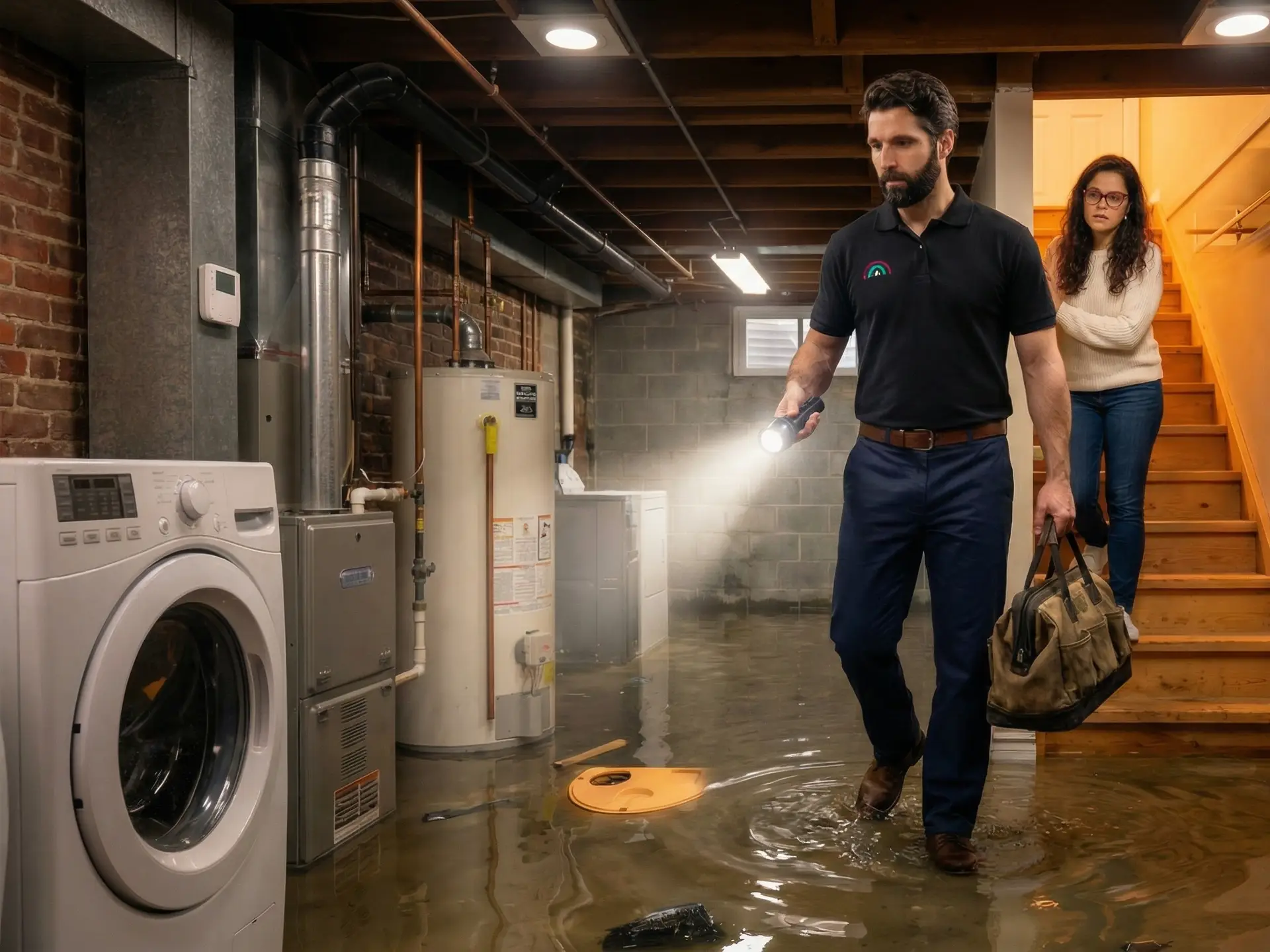
Your Water Heater Connects to Systems You Might Not Be Thinking About
Worth Knowing
A water heater does not operate in isolation — it depends on supply lines, drainage, and connections that can be affected by other plumbing problems. Understanding those connections helps you spot related issues before they become emergencies.
What Happens When You Call About Your Water Heater
Step by Step
Diagnose, decide, done — with you informed at every step.
We Diagnose
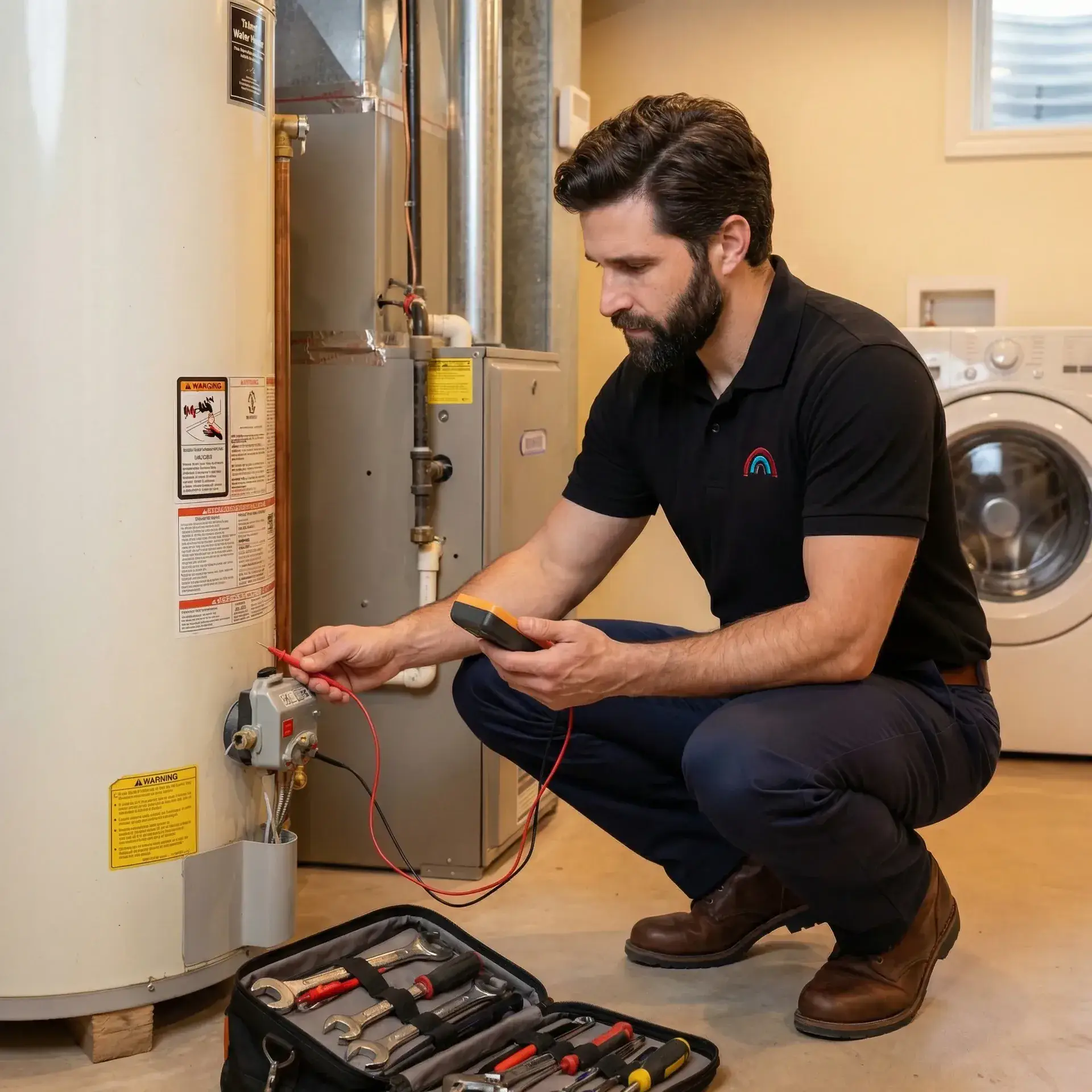
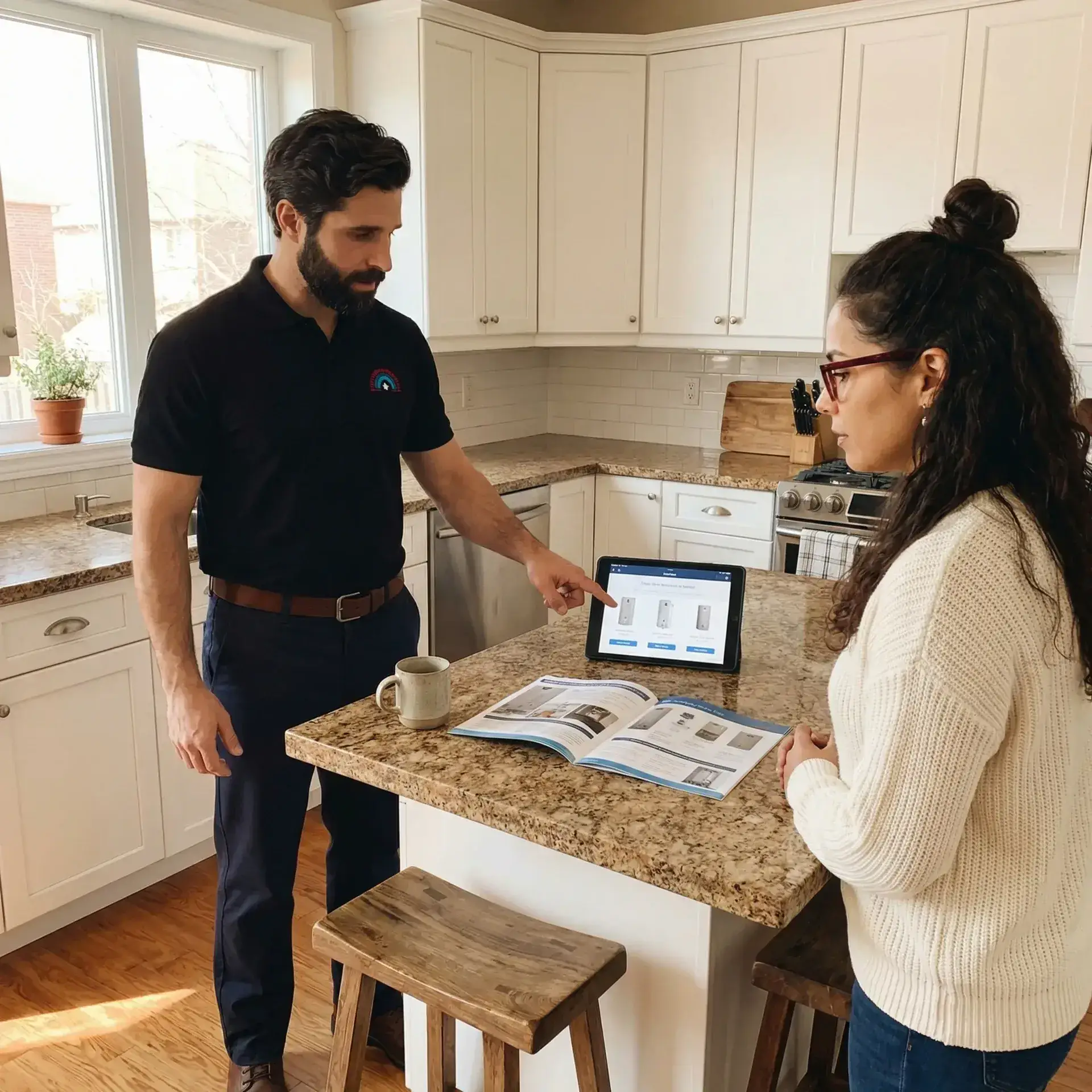
We Advise
We Install
Questions Our Customers Ask Us to Explain
Honest answers about this service and what the process actually involves.
Contact UsHow do I know my water heater is actually dying — and not just having a bad day?
A single symptom like inconsistent temperature is often a thermostat fix. Multiple symptoms together — noise, discoloration, and leaking — usually point to a unit that’s wearing out. Under 7 years with a minor issue? Repair. Over 10 with stacking problems? Replacement saves money long-term.
What actually makes tankless worth the higher price tag?
Tankless units are 20–30% more efficient and last roughly twice as long as tank heaters. For households with high demand, the energy savings often pay back the price difference within 5–7 years. That longevity advantage also means fewer replacements over the life of your home — a meaningful factor when budgeting long-term.
How long does a replacement actually take?
Tank swaps typically take 3–4 hours. Tankless installations run 6–8 hours due to venting and gas line adjustments. Same-day service is available throughout Toronto — a morning call can mean hot water by evening. We confirm the timeline during the assessment so you can plan your day.
What maintenance keeps a water heater healthy?
Tank units benefit from annual flushing, yearly pressure relief valve checks, and anode rod inspection every 2–3 years. Tankless systems need descaling every 1–2 years depending on water hardness. Staying on top of these tasks extends lifespan significantly and prevents the kind of slow deterioration that leads to unexpected failures.
Get a Clear Diagnosis and Honest Options
Repair, swap, or upgrade — the first step is knowing exactly what is going on.
- Licensed & Insured Professionals
- 24/7 Emergency Response Available
- Clear Pricing — No Hidden Fees
- No-Obligation Assessment
- 15+ Years Experience in the GTA
Or call us directly at (416) 807-6713